
If you live in or around Brattleboro, you don’t need to be convinced that storms can still take the lights out. Heavy, wet snow has brought down trees and lines across Windham County for days at a time, leaving roads blocked and thousands without power. Ice storms and high‑wind events in recent winters have done the same, just with different mess on the ground. It’s no surprise more Southern Vermont homeowners are asking whether a home battery is finally the right way to keep the house going when the grid goes dark.
The answer isn’t the same for everyone. In some Brattleboro‑area homes, a battery is a smart, storm‑ready tool that pays for itself in peace of mind and avoided problems. In others, it’s an expensive way to solve a problem that could be handled more simply. The trick is to be honest about what outages actually do to your life and what you expect a battery to cover.
Table of Contents
ToggleWhat battery backup actually does in a Southern Vermont home
A home battery doesn’t turn your house into a self‑sufficient island that can ignore the grid forever. What it does well is keep a carefully chosen set of circuits running when everyone else is in the dark.
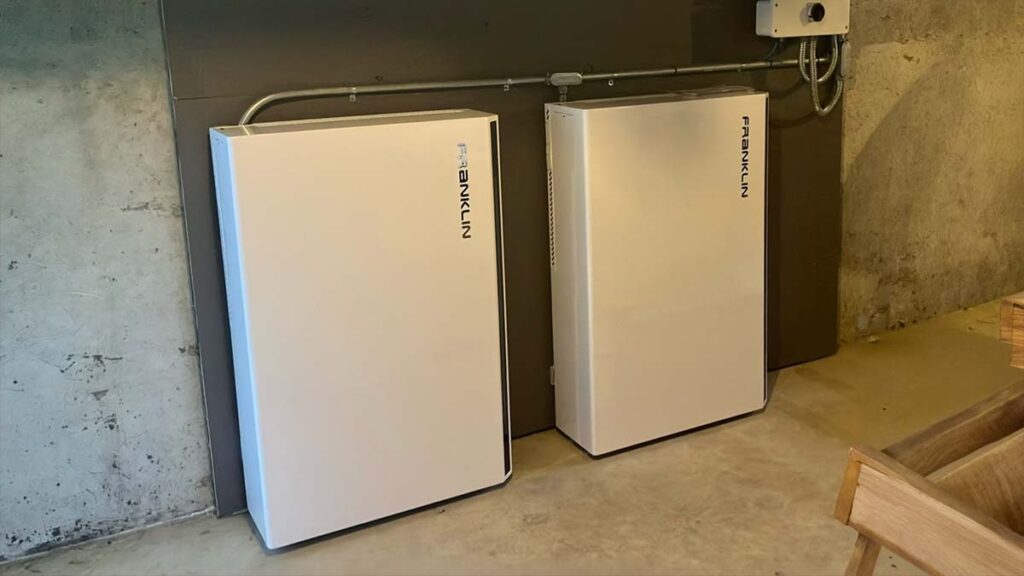
In a typical setup, the battery is wired to a “critical loads” panel. When the grid goes down, that panel can stay powered: the well pump that keeps water flowing, the refrigerator and freezer that protect food, a few lights and outlets, the modem and router, maybe the blower on a wood or pellet stove or the circulator on a boiler. How long it can do that depends on how large the battery is and how efficiently those loads are managed, but for many Southern Vermont outages—measured in hours or a day or two—that’s enough to keep the house livable.
Vermont’s largest utility, Green Mountain Power, has seen enough value in this idea that it has been deploying thousands of home batteries across the state as part of a broader resilience and grid‑management plan. Their programs focus first on outage protection and then on using those same batteries to help the grid during peak times. That’s a good hint: batteries are first and foremost about riding out storms comfortably, and only secondarily about anything else.
Southern Vermont’s outage reality
Not every storm knocks out power, but when one does, it can get complicated quickly. A single late‑winter storm in 2023 left more than 32,000 customers in Windham County without power and blocked dozens of Brattleboro‑area roads with downed trees and lines. Other recent storms have combined freezing rain, wind, and heavy snow to take out lines across Vermont, with outages lasting from hours to several days in harder‑hit spots.
If your home is on the edge of town or up in the hills, you may already know whether you’re usually restored quickly or tend to be “at the end of the line.” Some Brattleboro residents see the lights flicker but rarely lose power for long. Others in more rural pockets can point to the week they spent on candles and coolers.
Those patterns matter. A battery designed to get you through a few three‑ to eight‑hour outages each winter is very different from one meant to carry a house for multiple days. Being clear about how often you lose power—and what happened last time it went really wrong—is one of the most important steps before you spend anything.
When a battery often is worth it in Southern Vermont
Batteries tend to make the most sense for homes with something real to lose when the power goes out. That could be a Brattleboro family with a private well that stops working; a household with medications, medical devices, or health issues that make cold and darkness more than an inconvenience; or a small homestead with chest freezers full of meat and produce.
They also start to look smart in homes that are already moving toward electrification. If you have solar, heat pumps, and an eye on higher electric use over time, a battery can extend the usefulness of that system during storms and give you more confidence that the house can ride through disruptions. Green Mountain Power’s own programs exist partly because the utility has concluded that distributed batteries can be cheaper than constantly rebuilding lines after bigger, more frequent storms.
Even in those cases, the battery isn’t there to keep everything running. It’s there to keep the few things that really matter on the worst day running long enough for crews to do their work.
When a battery often isn’t the right first move
There are also perfectly good reasons to decide a battery isn’t your next step.
If your neighborhood in or near Brattleboro rarely loses power, and when it does it’s back within a couple of hours, a full home‑backup system may be overkill. A small generator, some basic preparedness, and maybe a plan for a friend’s house or a hotel room can cover the kind of outages you actually see.
If your house still needs a lot of work—old roof, marginal wiring, no insulation—money may be better spent on things that will improve your life every single day. Tightening up the shell, addressing safety issues, or getting your electrical panel ready for future solar and heating changes can deliver more value than a battery that only shows up a few times a year.
And if your main motivation is shaving a few dollars off the electric bill each month by shifting when you use power, it’s worth knowing that some Vermont utility programs limit how customers can use leased batteries; they’re structured primarily for backup and utility‑managed peak reduction, not for constant bill‑gaming on the homeowner’s side. That doesn’t make them bad programs, but it does mean you need to be clear on what you’re allowed to do.
How Southern Vermont incentives change the picture
One thing that makes home batteries more interesting here than in many places is that the utility is actively involved. Green Mountain Power has long‑running programs that let homeowners either lease batteries or get paid to connect their own in exchange for letting the utility tap them during peaks. In return, customers get lower up‑front costs and the comfort of backup power, while the broader grid benefits from a growing network of small storage systems that can step in during high‑demand events.
For a Southern Vermont homeowner, that means the decision isn’t simply “Can I afford a full‑price battery?” It’s “What kind of program am I comfortable with, and what does that program actually allow me to do?” Some people are happy to let the utility control their battery within agreed‑upon rules if it means a much lower cost and reliable backup. Others prefer more control, even if it costs more.
Either way, incentives and lease options here can shorten the path between “batteries are interesting” and “there’s one on the wall,” as long as you’re realistic about the trade‑offs.
A grounded way to decide for your home
If you’re in Brattleboro, Putney, Dummerston, or nearby and you’re trying to decide if a home battery is worth it, try framing it less as a gadget question and more as a lifestyle question.
Think back over the last few years. How many outages did you have, and how long did they last? What actually went wrong when the power was out—was it boredom and some melted ice cream, or was it no water, lost food, dangerous indoor temperatures, or real health risks? How would it change your stress level if you knew, with some confidence, that the next multi‑day storm would still leave you with lights, refrigeration, water, and a way to keep the house safe?
Then look at your house as a whole. Is the roof in good shape, the wiring sound, the panel capable of hosting solar, heat pumps, and a battery down the line? Have you already handled the basics of insulation and air‑sealing, or are there bigger priorities competing for the same dollars?
When you answer those questions honestly, the choice about home battery backup usually becomes clearer. In Southern Vermont, where storms and outages are part of the landscape, batteries are neither a magic shield nor a meaningless toy. They’re one more tool you can choose—or consciously not choose—to help your home ride out whatever the weather brings.