
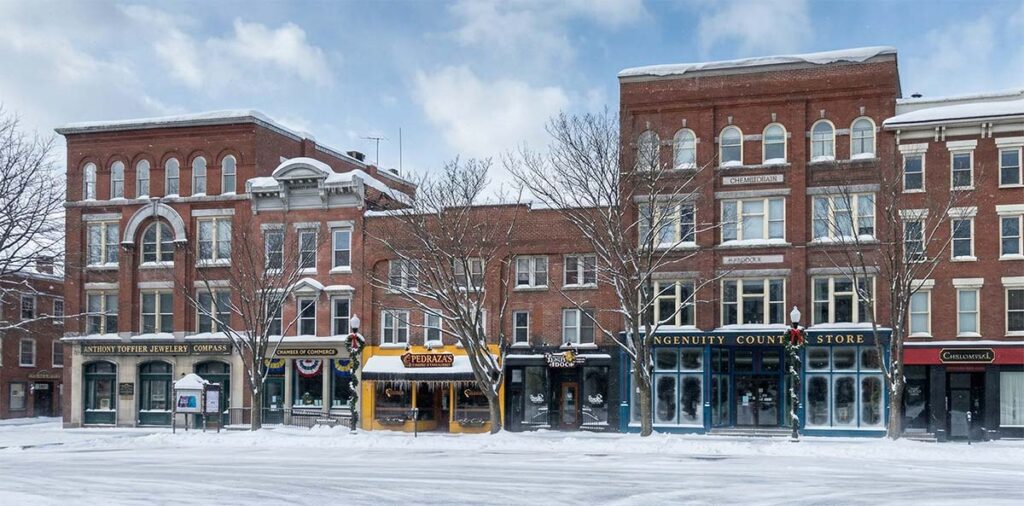
If you live in or around Keene, you don’t need a weather app to tell you when winter has arrived. The roof disappears under snow, the driveway turns into a project, and at least once a season ice or wet snow knocks out power somewhere in Cheshire County. When you think about solar in that context, it’s reasonable to ask: do panels actually work here in winter, or do they just sit under snow until April?
The truth is somewhere in between. Solar in Southwest New Hampshire doesn’t turn winter into July, but it also doesn’t shut down for three months. Understanding how snow and cold really affect panels can help you decide whether a system is worth it on your Keene‑area home—and how to design it so winter behaves the way you expect.
Table of Contents
ToggleCold is good for panels; snow is the wildcard
Solar panels don’t mind the cold. In fact, they produce electricity more efficiently at lower temperatures, which means clear, cold winter days can be excellent for output. What hurts production in winter is:
- Shorter days and a lower sun angle.
- Periods when panels are physically covered by snow or ice.
New England and New Hampshire–specific guides consistently find that, even in snowy climates, well‑designed systems still deliver around 85–95% of their expected annual output once you average the year out. Winter months contribute less than summer, but they’re not a write‑off.
In practical terms for a Keene‑area homeowner: you can expect smaller bars on the winter part of your production graph, but you should still see real generation every time the sun hits clear glass.
What actually happens after a snowstorm
Right after a storm, panels may be essentially off‑line. If snow is thick and temperatures stay below freezing, output will drop to near zero until the glass starts to clear. How long that takes depends on a few local factors:
- Tilt: Steeper arrays shed snow faster. Roofs or ground‑mounts tilted around 30–35 degrees or more tend to clear sooner than shallow pitches.
- Orientation: South‑facing arrays get the most direct winter sun and warm up more quickly. East‑ or west‑facing arrays may take longer.
- Surface: Panels are smooth and dark; when the sun comes out, snow often slides off in sheets, especially on steeper roofs.
On many Keene‑area homes with decent tilt and orientation, panels clear themselves within a day or two after most storms. In long cold snaps or after heavy, sticky snow, it can take longer. But those clearing days often show up as some of the best winter production days of the season once panels are exposed again.
Should you climb up and clear the panels?
Short answer: usually no.
Most New Hampshire solar guides caution against homeowners climbing onto snowy, icy roofs or using hard tools to scrape panels. The risk of falls and damage outweighs the value of a few extra kilowatt‑hours for most people.
What you can do safely from the ground:
- Watch how quickly your array tends to clear after different kinds of storms over the first winter.
- Consider trimming back branches that repeatedly dump snow or shade onto the array.
- If you have a low, easily accessed ground‑mount, use a soft‑headed roof rake designed for panels if you really feel the need—but only if footing is safe.
The key is accepting that some storm days will produce almost nothing and that this is already baked into long‑term production estimates for our region. Systems are sized with that reality in mind.
Designing for winter from the start
For Keene‑area homes, winter is not an afterthought; it’s part of the design brief.
Installers who work regularly in New England cold climates think about winter when they decide:
- Tilt and row spacing on ground‑mounts, so snow can slide and accumulate without burying the lower edge of the array.
- Placement of roof‑mounted arrays to avoid valleys, dormers, or obstructions that trap snow and ice.
- Structural loading, making sure the roof and racking can handle both panels and the kind of snow we see in the Monadnock Region.
They also use local solar‑resource data and weather patterns when estimating how many kilowatt‑hours your system should produce over a year. That’s why you’ll see lower monthly estimates for January than for June, but a strong annual total.
If you’re looking at proposals, ask specifically how winter was factored in. You want a design that respects Keene conditions, not one copied from a milder climate.
How winter interacts with your electric bill
From a billing standpoint, winter affects solar homeowners in two ways:
- You buy more from the grid in winter.
Even with solar, your usage from the utility will climb during dark, cold months—especially if you heat with electricity or run heat pumps. - Net metering helps smooth the bumps.
In New Hampshire, net metering credits excess generation you send to the grid at set rates, and those credits can offset what you use later when your system is producing less.
Over a year, you can think of your summer surplus helping pay for your winter deficit. Designers in our region aim for a system that makes enough over 12 months to cover a target share of your usage, knowing that winter will always be the lean season and summer the heavy lifter.
When winter reality might change your decision
Winter behavior doesn’t usually make or break solar for Keene‑area homeowners, but it can shift what “good fit” means.
Solar may be a strong choice if:
- You have a decent site (roof or ground) and expect to live in the home long enough for long‑term savings to matter.
- You’re planning to rely more on electricity over time—for example, with heat pumps or an EV—and want to blunt the impact of future rate increases.
- You’re comfortable with the idea that some weeks in winter will show little to no production, balanced by strong months the rest of the year.
You may want to proceed more cautiously if:
- Your only usable roof plane is very shallow and heavily shaded, and a ground‑mount isn’t realistic.
- You’re hoping solar will somehow make winter bills disappear entirely even with electric heat and no efficiency upgrades; in that case, you may be disappointed.
- You’re counting on climbing onto the roof yourself after every storm to keep panels clear; safety and practicality argue against that.
In those cases, it can be smarter to address insulation, air‑sealing, or heating first and then revisit solar once the house itself is better prepared for electrification.
The big picture for Keene‑area winters and solar
Winter in Southwest New Hampshire is not a solar marketing brochure. There will be snow days when panels don’t produce, weeks when clouds and low sun keep the numbers down, and moments when the system seems to be napping under a white blanket.
But those months are only part of the story. Over a full year, a well‑designed system in the Keene area still has plenty of room to offset a meaningful share of your electric use. Clear, cold days can produce excellent output, and summer and shoulder seasons do most of the heavy lifting.
If you go in expecting winter to behave like winter—not like California—and your design respects that from the start, solar can still be a practical, long‑term tool for taming your electric bill in the Keene area.