Residential Solar
Solar and Energy Solutions Designed Around Your Home
No two homes give us quite the same starting point. Roof condition, shade, the electrical system, the property itself, and the way you use electricity all shape what a residential solar project should look like.
Current Energy works with homeowners throughout Western Massachusetts, southern Vermont, and southwestern New Hampshire. We design and install solar, battery backup, EV charging, and other home energy systems with both the house and its electrical system in mind.
Start With a Solar System Designed for Your Home
There is more to designing residential solar than counting how many panels will fit on the roof.
We look at how much electricity you use, where the best sunlight falls, the condition of the roof, and what’s happening electrically inside the house. We also want to know what’s coming next. If you’re thinking about an EV or heat pump, for example, today’s electric bill may not tell the whole story.
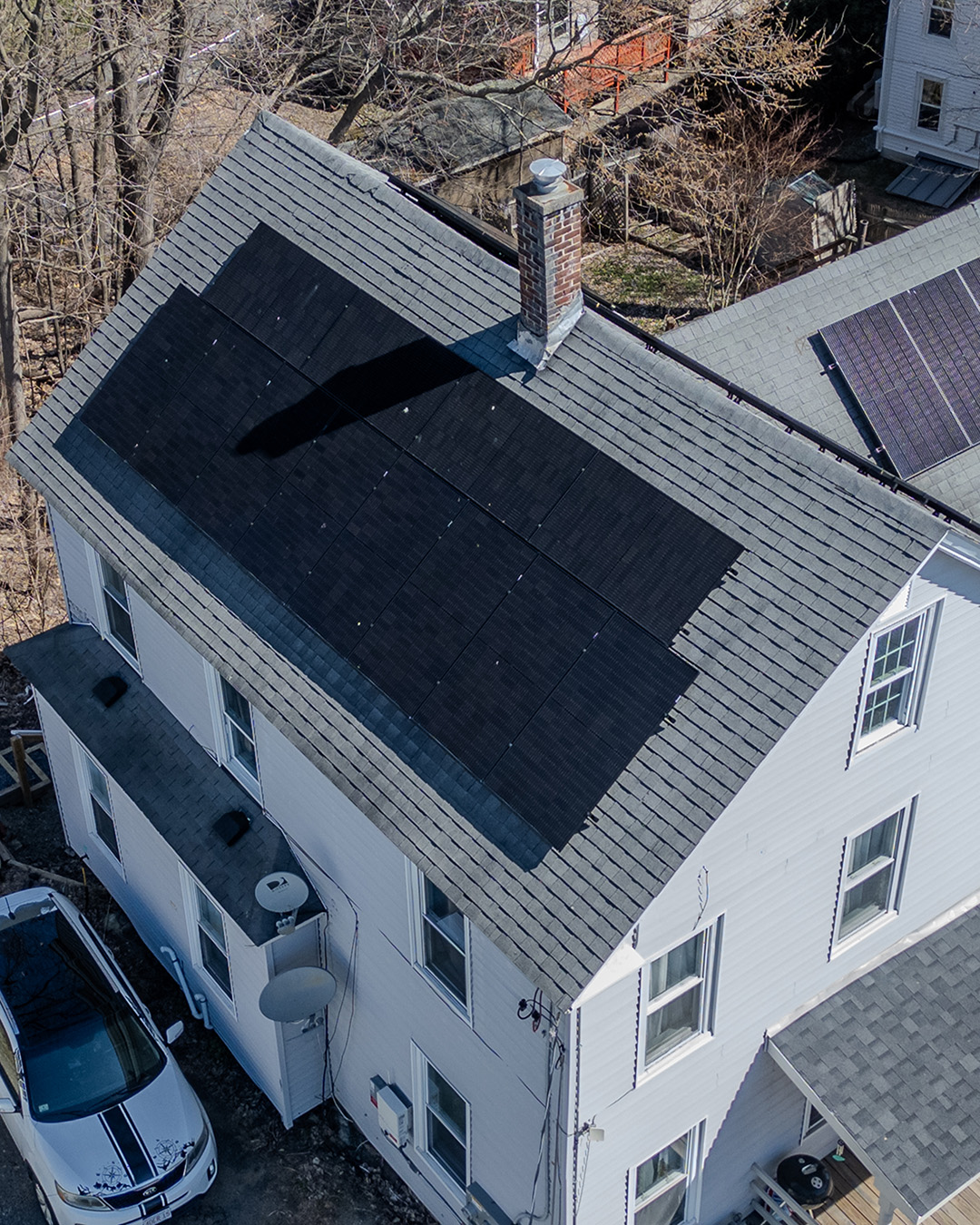
For many homes, rooftop solar is the obvious answer. For others, a ground mount offers better sunlight or avoids a roof that’s simply not a good candidate. Older homes may bring electrical questions into the project, while some homeowners want to plan solar and battery backup together from the start.
There isn’t one residential solar package that’s right for everyone. The system should fit the home.
More Ways to Make Your Home Work Better With Energy
Solar is only one part of the picture. Depending on what you’re trying to accomplish, we can also help with backup power, EV charging, electrical capacity, existing solar systems, and homes that need a little more planning before panels ever go up.
Ground-Mount Solar
Battery Storage & Backup
Home EV Charging
Load Management
Solar Service & Maintenance
Solar for Older Homes
The Pieces Need to Work Together
The electrical demands we’re putting on our homes are changing.
An EV adds one kind of load. A heat pump adds another. Battery backup brings up the question of what should stay powered during an outage. And in an older home, the electrical service may have been designed for a very different collection of appliances.
This is where solar and electrical work begin to overlap.
Current Energy works on both sides of that equation. Instead of looking at each new piece of equipment in isolation, we can consider how it fits with what’s already in the house and what you may want to add later.
You certainly don’t have to do everything at once. It just helps when today’s project doesn’t get in the way of tomorrow’s.
How We Approach Residential Energy Projects
Before we start choosing equipment, we spend some time understanding the house.
1. Take a Look at the Home and Property
The roof is an obvious place to start, but not the only one. Shade, available sunlight, the electrical panel and service, and the rest of the property can all affect the project.
Around Western Massachusetts, that might mean working with a village home on a small lot one day and an old farmhouse with several acres the next. Those properties present very different opportunities.
2. See How You're Using Electricity
Electric bills give us useful information, but they don’t tell us everything.
Heating and cooling, hot water, appliances, a well pump, a workshop, or other larger loads all contribute to the way a house uses power. Understanding that pattern helps us design for the home rather than for an imaginary average customer.
3. Talk About What's Coming Next
A solar system should last a long time. Your electricity use probably won’t stay the same for all of those years.
Maybe there’s an EV in your future. Perhaps you’re considering heat pumps, electric water heating, induction cooking, or battery storage. Knowing that now gives us the chance to account for it, even if that project is still a few years away.
4. Check the Electrical System
Everything we’re talking about eventually connects to the home’s electrical system.
That’s worth paying particular attention to in Western Massachusetts, where plenty of homes have been renovated, expanded, and rewired over several generations.
We may find that an electrical upgrade is warranted. In other homes, load management can provide another way to accommodate a new load. Because Current Energy handles both solar and electrical work, we can consider those needs together.
5. Put Together the Right Project
Once we’ve looked at the house and talked about your goals, the project begins to take shape.
For one homeowner, rooftop solar may be all that’s needed. Another property may be better suited to a ground mount. Battery backup might be important from day one, while someone else may need an EV charger or electrical work before solar becomes the priority.
We’re trying to solve the problem in front of us, not make the project bigger than it needs to be.
6. Get It Built and Turned On
A finished design still has to make its way through permitting, utility interconnection, installation, inspection, and approval.
The details depend on where you live and which utility serves the property. Current Energy works throughout Western Massachusetts, southern Vermont, and southwestern New Hampshire, so we’re accustomed to projects crossing different towns, utilities, and state requirements.
Start With What You Want Your Home to Do
You might be ready for solar, thinking about backup power, or trying to figure out how to charge an EV at home. You may not know yet what equipment you need.
That’s fine. Tell us what you’re trying to accomplish.
Residential Solar Across Western Massachusetts and Beyond
Current Energy is based in Bernardston, Massachusetts, at the northern end of the Pioneer Valley. Our residential work extends throughout Western Massachusetts and into southern Vermont and southwestern New Hampshire.
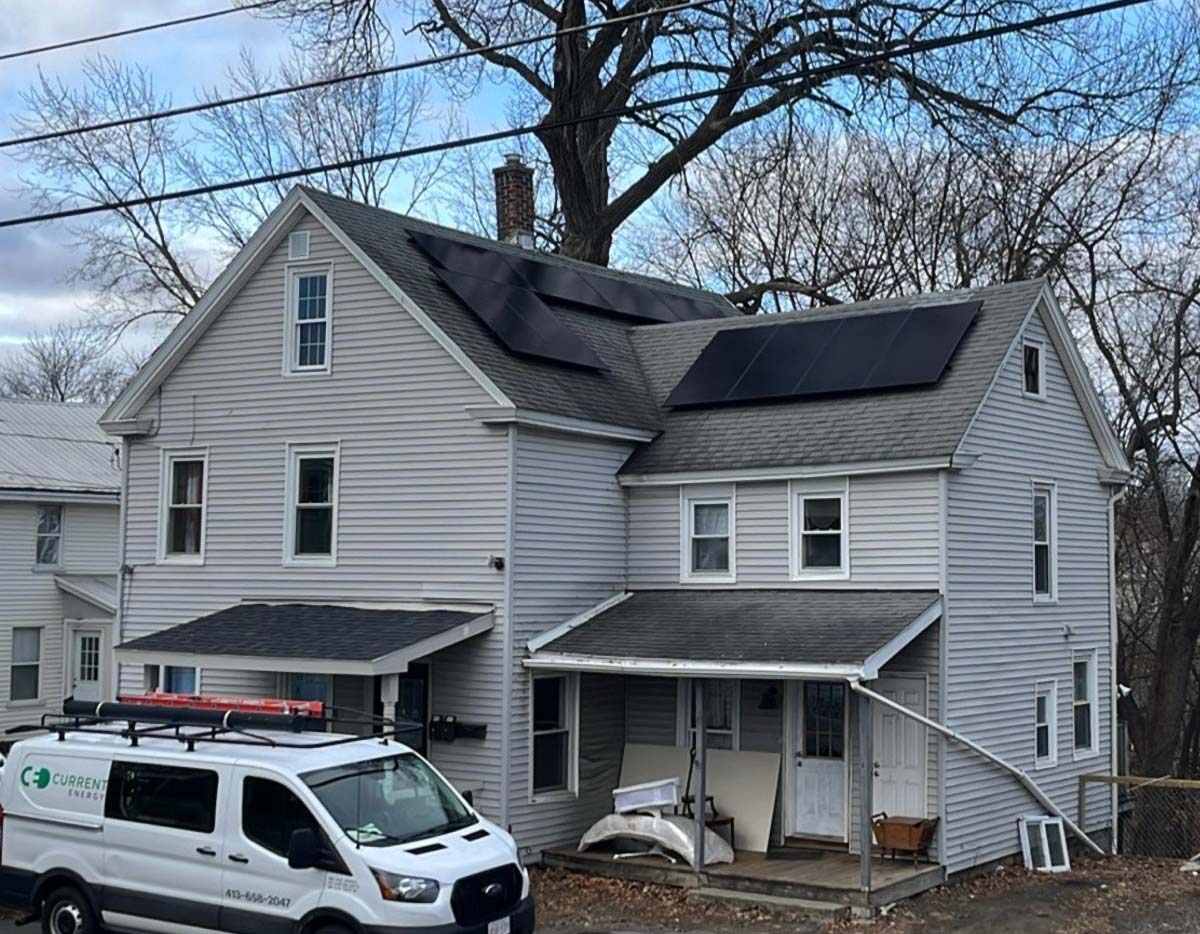
It’s an interesting place to design solar. We work with older village homes, wooded lots, rural properties, metal roofs, long driveways, and houses that have been expanded and updated more than once.
Those details aren’t background scenery. They can determine where the panels belong, how we reach them electrically, and what other work needs to happen along the way.
Tell Us What You're Trying to Do
You don’t need to come to us with a system already figured out.
Tell us about the house and what you’d like to change. It could be solar, backup power, an EV charger, more electrical capacity, or a solar system that’s already there and isn’t working the way it should.
We’ll take it from there.
"*" indicates required fields