
Load Management (new)
Make Room for the Electrical Loads Your Home Needs Next
Adding an EV charger, heat pump, induction range, or other major electrical load doesn’t always mean your home needs a larger electrical service.
The first step is understanding how much electrical capacity your home has and how you’re using it. Load management can help control when larger loads draw power, keeping demand within the capacity of the electrical system.
Current Energy brings solar and electrical expertise together to help homeowners throughout Western Massachusetts, southern Vermont, and southwestern New Hampshire plan for the next generation of electrical loads.
Start With What Your Home Can Handle
A new electrical load doesn’t automatically require a bigger service.
Before making that investment, it makes sense to understand what your home is already using and what you’re planning to add.
Adding More Electricity to Your Home
Homes use electricity differently than they did even a generation ago.
Heat pumps are replacing fossil-fuel heating systems. Induction ranges are replacing gas stoves. Electric water heaters are becoming more common. EVs can add one of the largest new electrical loads in the house.
Put several of those together and an electrical system that has served a home for decades may begin to feel pretty crowded.
That doesn’t tell you what the solution should be. It tells you it’s time to look at the electrical system as a whole.
Do You Need a Larger Electrical Service?
Sometimes you do.
But the number on your electrical service doesn’t tell the entire story. What matters is the capacity of the system, the loads already connected to it, how those loads are used, and what you’re planning to add.
A licensed electrician can evaluate those conditions before determining whether the existing service has enough room, whether load management can create that room, or whether an upgrade is the better long-term choice.
What Does Load Management Do?
Think about several large electrical loads trying to run at the same time.
Your EV is charging. The heat pump is running. The water heater comes on. Someone starts cooking dinner.
Load management gives the electrical system a way to monitor and control those demands. Certain loads can be prioritized, limited, or temporarily delayed so the home stays within the capacity available to it.
You still get the electricity you need. The house simply becomes smarter about when it uses the largest loads.
Avoiding an Unnecessary Service Upgrade
Increasing the electrical service can be the right solution, particularly when the existing equipment needs replacement or the home is headed toward substantially greater electrical demand.
But it shouldn’t be the automatic answer every time someone adds an EV charger or heat pump.
In the right home, managing electrical demand can make room for new equipment without increasing the size of the service.
The key is determining which situation you have before deciding what to install.
Older Homes Can Take On New Electrical Jobs
A lot has been asked of the electrical systems in Western Massachusetts homes over the years.
A house may have started with a relatively small electrical service, then gained new circuits, appliances, additions, air conditioning, and other upgrades one project at a time. Now homeowners are adding heat pumps, EV charging, electric cooking, solar, and battery storage.
That doesn’t mean every older home needs to be rebuilt around a larger electrical service.
Sometimes the existing system has room. Sometimes load management can make better use of the capacity that’s already there. And sometimes an electrical upgrade really is the right answer.
Current Energy approaches these decisions as electricians. The goal is to understand the house first and recommend the solution that makes sense for what you’re doing now and what you may want to add later.
A Smarter Way to Use the Electrical Capacity You Have
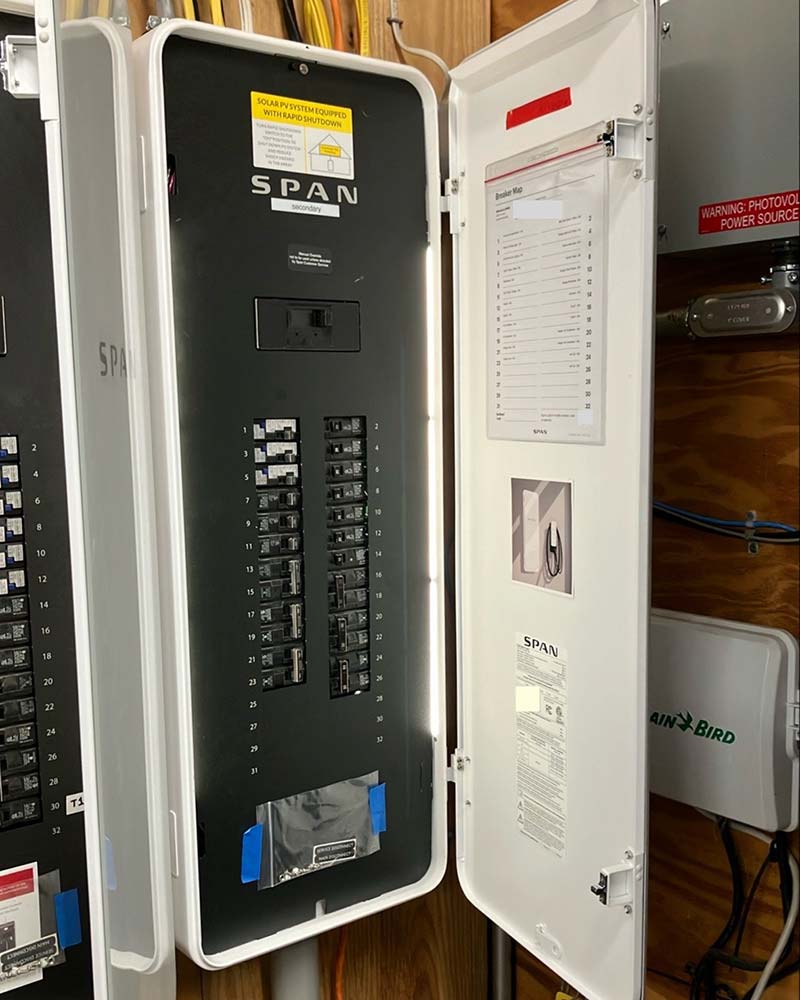
Traditional electrical panels distribute power to circuits throughout the house. Modern load-management equipment can add another layer of information and control.
Current Energy works with Span smart electrical panels, which provide circuit-level visibility and control over household electricity use.
That can be useful whether you’re planning for an EV, electrifying more of your home, adding solar and battery storage, or simply trying to understand where your electricity is going.
Prioritize the Loads That Matter
Not every large electrical load needs to operate at the same moment.
An EV sitting in the garage may have hours available to charge. A water heater can often wait while another large load is running. Other equipment may have different priorities depending on the household.
Load management allows those priorities to become part of how the electrical system operates rather than requiring every connected load to be treated as though it will run at full demand simultaneously.
See Where Your Electricity Is Going
A smart electrical panel can also provide a much clearer picture of how electricity is being used around the house.
Instead of seeing only the total consumption on an electric bill, homeowners can see individual circuits and understand which parts of the home are drawing power.
That information can be useful when planning future electrical work, managing energy use, or trying to understand why consumption has changed.
Load Management and EV Charging
Home EV charging is one of the clearest applications for load management.
A Level 2 charger adds a significant electrical load, but the vehicle usually doesn’t need to charge every minute it’s plugged in. Managing when and how quickly it charges can help keep the home’s total demand within the available electrical capacity.
For some homes, that can make EV charging possible without immediately moving to a larger electrical service.
Load Management and Battery Storage Do Different Jobs
A home battery stores energy so you can use it later.
Load management controls how electricity is being used at a given moment.
Those two jobs become especially useful together during a power outage.
A battery has a finite amount of stored energy. If every large electrical load continues running normally, that energy can disappear quickly. Load management can prioritize the circuits you care about and limit less important loads, helping the available battery power go further.
What About Solar?
Solar produces electricity. Load management helps decide how some of that electricity is used.
When solar, battery storage, EV charging, and other electrical loads are planned together, there are more opportunities to coordinate how energy moves through the home.
But you don’t need to think about all of those systems at once. Good electrical planning starts with what you have now and where you want to go next.
Frequently Asked Questions About Home EV Charging
What is residential load management?
Load management monitors and controls electrical demand within a home.
It can prioritize certain circuits, limit or delay larger loads, and help keep total electrical demand within the capacity of the home’s electrical system.
Can load management help me avoid an electrical service upgrade?
In some homes, yes.
Whether it makes sense depends on your existing electrical service, the loads already connected to it, what you’re adding, and your future plans.
There are also situations where upgrading the service is the better solution. The electrical system needs to be evaluated before making that decision.
Do I need a 200-amp service for an EV charger?
Not necessarily.
The answer depends on the home’s existing service and electrical loads, along with the charging equipment being installed. Load management can sometimes allow EV charging to be added while keeping total demand within the capacity of the existing service.
What is a smart electrical panel?
A smart electrical panel combines traditional electrical distribution with monitoring and control.
Depending on the system, homeowners can see electricity use at the circuit level, prioritize loads, and manage when certain equipment draws power.
Current Energy works with Span smart electrical panels as part of its residential energy and electrical work.
Do I need solar to use load management?
Load management is an electrical technology and does not depend on solar generation to function.
Whether Current Energy recommends it as part of a particular project depends on the home’s electrical system and the work being planned.
Do I need a battery to use load management?
No. Load management and battery storage perform different jobs.
A battery stores electricity. Load management controls electrical demand. They can work together, but one does not inherently require the other.
Can load management help with heat pumps?
Heat pumps can add significant electrical demand to a home, particularly when they are part of a larger move toward electrification.
Load management may be one part of accommodating those new loads, depending on the existing electrical service and the other equipment in the home.
How does load management help during a power outage?
When load management is paired with a compatible battery-backup system, it can help prioritize which circuits receive power during an outage.
Reducing or delaying non essential loads can help preserve stored battery energy for the parts of the home you care about most.
When is an electrical service upgrade the better choice?
There isn’t one answer for every home.
If electrical equipment is outdated or needs replacement, available capacity is too limited, or you expect to add substantially more electrical demand in the future, an upgrade may be the better long-term investment.
That’s why the decision should start with an evaluation of the home rather than with a particular product.
Your Home Doesn't Need Everything at Full Power at the Same Time
Load management creates choices.
It gives your electrical system a way to prioritize the things that matter and manage larger loads when available capacity is limited.
Before You Upgrade Your Electrical Service, Find Out What Your Home Needs
If you’re adding an EV charger, heat pump, electric appliance, solar, battery storage, or another major electrical load, you don’t need to figure out the electrical capacity on your own.
Tell us what you’re adding and what you’re hoping to do. We’ll start with the house.
Current Energy works with homeowners throughout Western Massachusetts, southern Vermont, and southwestern New Hampshire from our home base in Bernardston, Massachusetts.
"*" indicates required fields