Farms in Greenfield run on long days and steady routines. Some rely on irrigation pumps during warm spells. Others run lights and tools in older barns. Many have open ground with clean sun exposure. A solar system has to fit that mix without interrupting daily work.
We build systems that support the practical needs of a working property. The setup can run barn lights, fencing chargers, pumps, cooling units, and the tools that keep the farm moving. If you want a system that handles the pace of your land and works across all seasons in Franklin County, we can design it with your layout in mind.
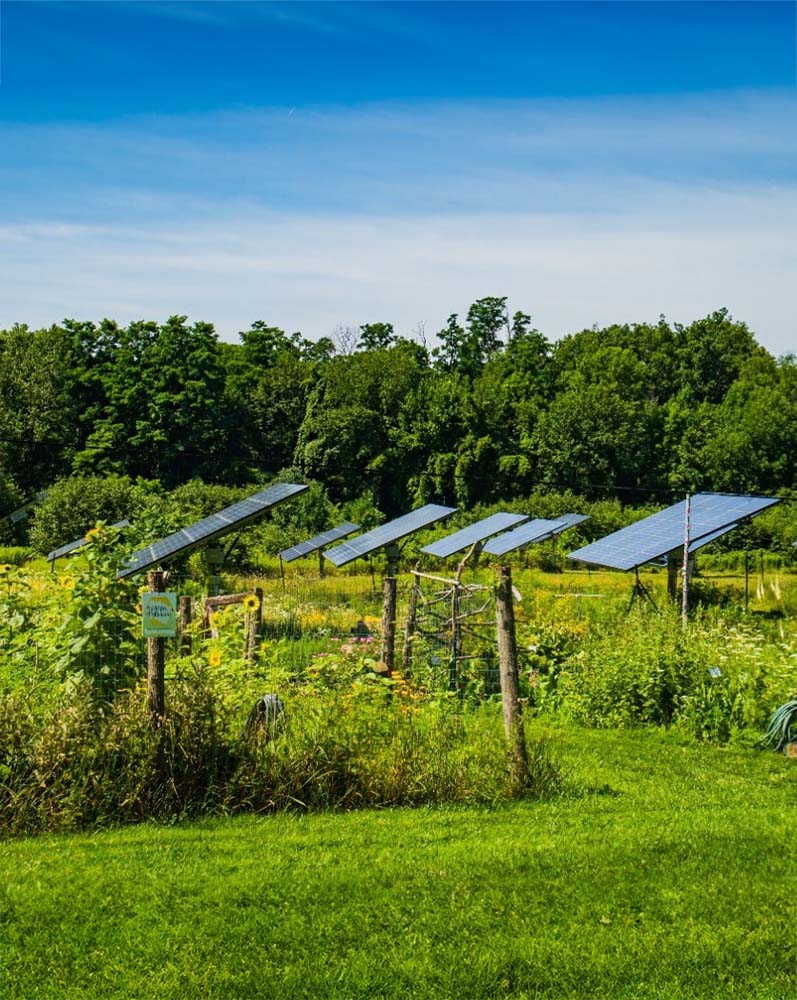
Farms often pull more power during harvest, irrigation cycles, or cold snaps. That strain shows up on the utility bill. Solar gives you steadier energy so the swings are easier to manage. Many farms in Western Massachusetts also have the space for ground-mount solar. It keeps the sun-facing equipment out of the way while giving you room to grow.
We install solar systems that support real work on the ground. If your barn roof has strong light, we can build there. If the best spot is a field edge or the rise behind the shed, we design around that landscape. For farms using water pumps, solar can help offset the pull from those longer cycles without adding stress during peak hours.
Most farms in Greenfield juggle a mix of older buildings, newer equipment, and open ground that sees plenty of sun. Solar can make those moving parts a little easier to manage. It can support lighting, pumps, fencing, and the tools that carry you through planting, harvesting, and everything in between.
Some farms in Greenfield rely on open fields that take in long hours of sun. Others work with older barns and sheds that have different roof angles and shade patterns. We begin by walking the property and looking at how each season changes the light. That first step guides where the panels belong.
We then match the design to how the farm actually runs. If the best spot is a stretch of pasture that stays dry and open, we can build there. If a barn roof has the right pitch, that may be the stronger choice. The layout depends on the land itself rather than a preset plan.
Every installation is built so you can reach equipment easily, keep animals safe, and move through the property without obstacles. You get a farm solar system made for the work you do, not one copied from a different site.
Winter storms in Greenfield can lead to long outages, especially on rural roads. A battery keeps key parts of the farm running when the grid goes down. It can support lights in the barn, well pumps, cooling units, or anything you place on the protected circuit. That stability takes pressure off during rough weather.
For farms that rely on early and late work hours, a battery can cover the times when light is low and tools are still in use. It fills the gap without pulling from a generator or waiting on the utility. This is helpful during cold snaps or late-season work when equipment demands more power.
We size each battery to match the farm’s essential loads, not just the average day. That way you have enough stored energy to carry through the unexpected moments that come with managing land.
Electric tools, carts, and small vehicles are becoming more common across farms in Western Massachusetts. A dedicated farm-level charger keeps them ready without relying on extension cords or crowded circuits in older barns. It gives you a predictable place to keep equipment charged overnight or between tasks.
Some farms also want a reliable charger for personal vehicles at the farmhouse. It keeps daily driving simple and prevents the need to rely on public chargers far from rural routes. You end up with an easy routine that doesn’t slow your workday.
We install these chargers in spots that make sense for the layout. If your equipment is stored in an outbuilding, we can place the charger there. If everything is closer to the home, that may be the better fit. The goal is a setup that works with your paths and schedules.
Farms often have long feeder runs and equipment that pulls power at unpredictable times. Load management helps you see those patterns. You can track when pumps start early, or when a shed draws power long after work is done. That information makes it easier to keep monthly bills consistent.
With clear data, you can make small changes that improve efficiency without changing how the farm operates. Some farms discover that shifting one task to a different time of day lowers the strain on their system. Others find that certain circuits need attention because they run harder than expected.
Smart controls help keep everything balanced. If a high-demand cycle begins during peak hours, load management can help prevent overloads and reduce stress on older wiring. It gives farms a simpler way to stay ahead of electrical surprises.
Many farms in Greenfield have buildings that were wired at different points in their history. Some barns have aging panels. Some greenhouses have wiring that needs attention after years of seasonal use. We update these systems so they can support solar without strain.
We also repair and maintain feeder lines that connect distant outbuildings. Long runs can lose strength over time, especially in winter conditions. Strong electrical groundwork keeps the entire farm safer and more efficient.
Good electrical support helps new solar or battery systems work the way they should. It reduces downtime, protects equipment, and makes sure the farm is ready for new tools and upgrades.
Farm properties see more dust, pollen, and field debris than typical residential sites. Those layers can reduce output if they’re not addressed. Through our partnership with Omnidian, we track performance around the clock. If something changes, a service team looks into it.
Cold winters and drifting snow also create challenges. If a panel’s production drops after a storm, the monitoring system will spot it. You won’t have to guess whether the system is working.
This kind of ongoing support lets you focus on the work of the farm instead of checking equipment. If an issue comes up, the service team contacts you directly so you stay informed without extra effort.
Ground-mount solar works well for farms because the land provides choices. You can place arrays near fence lines, along the edge of a pasture, or beside an equipment shed. Each option keeps the panels accessible and away from busy areas.
Open fields around Greenfield often get clean sun through the day. A ground-mount array can take advantage of that without modifying a barn roof. It also stays easy to reach for maintenance, and it won’t compete with roofing repairs or future building projects.
We match the posts and framing to your soil and slope. The result is a stable setup that blends into the surrounding land and supports the farm through each season.
Pairing solar with storage gives farms a stronger buffer during outages. It lets you keep certain operations running even if the grid drops for hours. Some farms rely on that support during cold weeks when animals, tools, or stored crops need reliable conditions.
The combined system also offers smoother daily use. When a pump or tool starts up, the battery can ease the surge. That reduces stress on the wiring and helps extend the lifespan of your equipment.
For farms that want more independence from the utility, solar plus storage creates a clear path. You get reliable energy year-round and more control during rough weather.
Farms run energy long hours. Solar eases those stretches and keeps monthly costs predictable. It also helps reduce the impact of longer pump cycles or cold-weather heating demands, both of which can push bills higher late in the year.
Irrigation, harvest, and cold snaps all push usage higher. Solar softens those spikes. When the system carries more of the daytime load, the swings in demand feel smaller and easier to plan around.
Lighting, pumps, fans, and station power stay more reliable with a strong solar setup. When the sun is doing more of the work, equipment doesn’t compete as much for limited circuit space. Over time, that steadier balance reduces wear on older wiring.
Road closures and slow repairs are common in winter. Solar plus storage keeps your essentials running. That extra stability gives farms more control during storms and reduces the need to rely on generators for every outage.
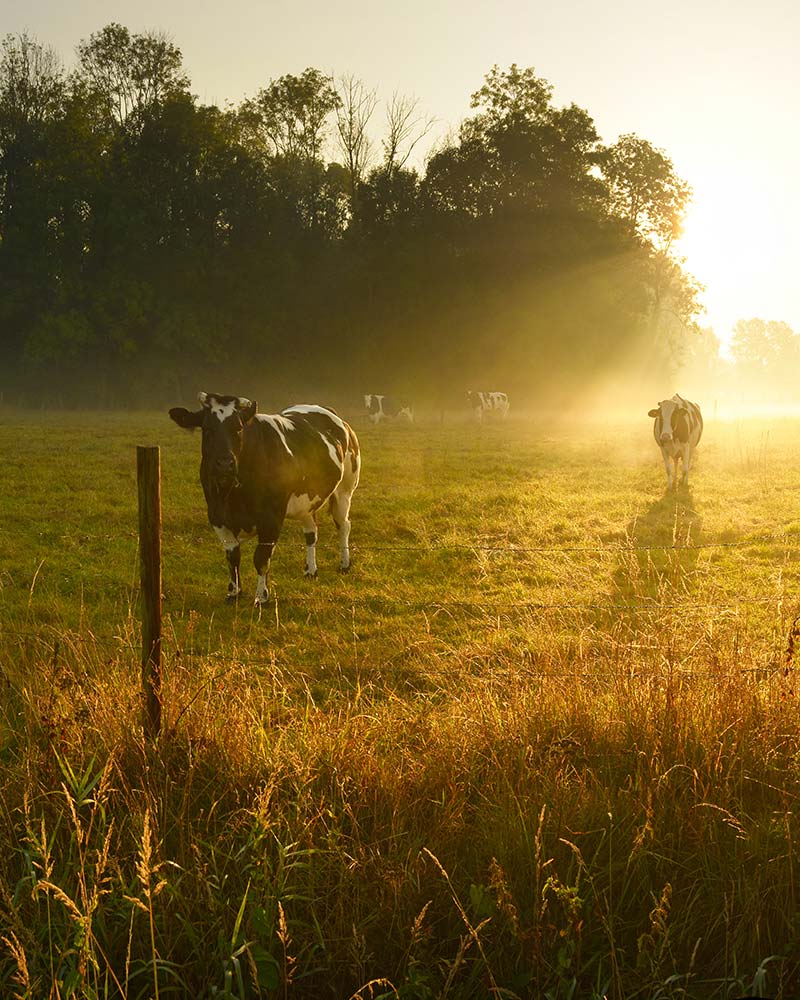
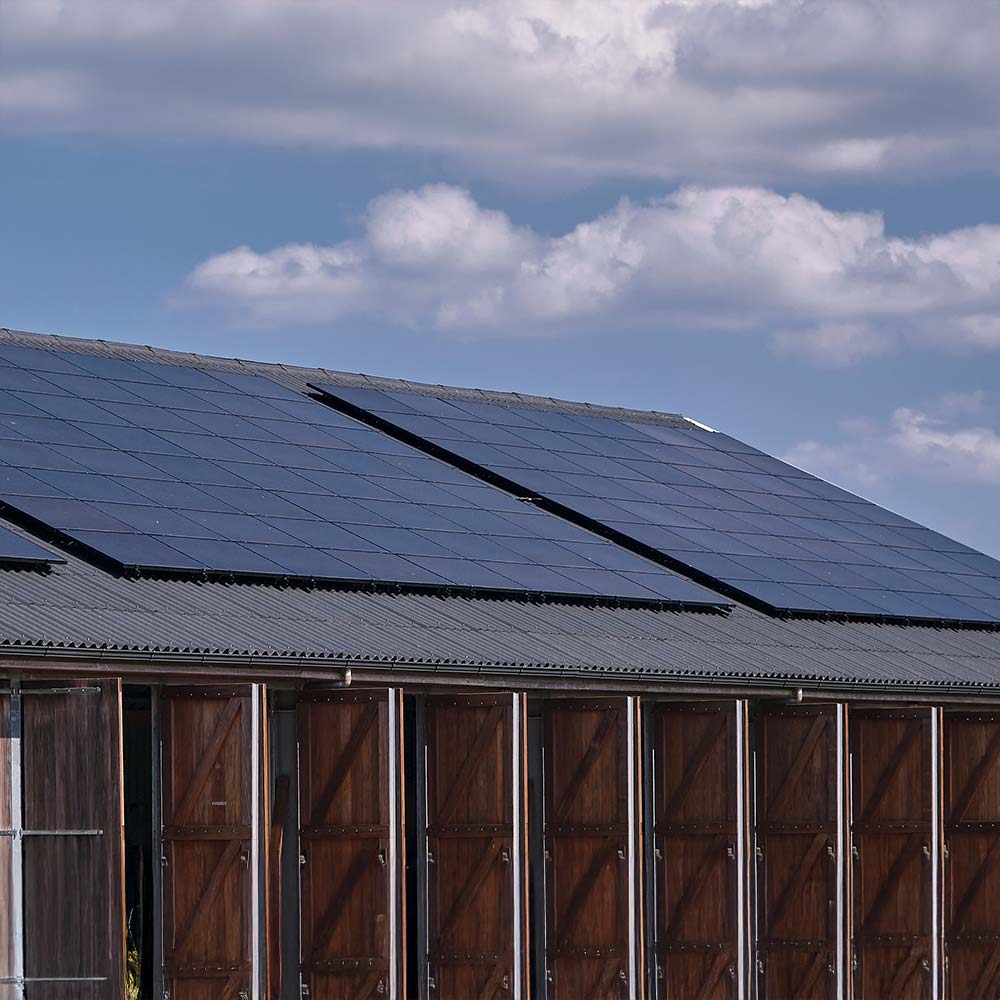
Greenfield mixes open fields with older barns, small pastures, and wooded edges that shift the light through the year. Winter brings freeze-thaw cycles and drifting snow. Summer puts steady load on water pumps and cooling systems. A farm solar system in this part of Franklin County has to make sense for those conditions.
We look at slope, soil, shade lines, and how each building is used. If your farm has long rows facing south, we can design around that advantage. If the best spot is behind the barn or along a wide pasture, we build the array there instead. The layout is designed for your land, not borrowed from somewhere else.
If you want to see how solar fits your property, we can map the site, estimate output, and explain the steps clearly. Call us or send a quick note and we’ll follow up soon.
Please fill in the details below so that we can understand the scope of services you are interested in.