Start Your Western Mass Solar Project Before Winter: What the Timeline Really Looks Like
Most people think the installation is the long part. It isn’t.
The panels go up in a day, maybe two. What takes the time is everything around it, mainly the town permit and the utility’s sign-off before you can switch it on. Add those up and a typical project runs a couple of months from the day you sign to the day it makes power.
That’s worth knowing right now, in late summer. If you want your system live and banking credits before winter, the calendar starts to matter.
The install is the fast part
Here’s what surprises people. Putting solar on your roof is quick.
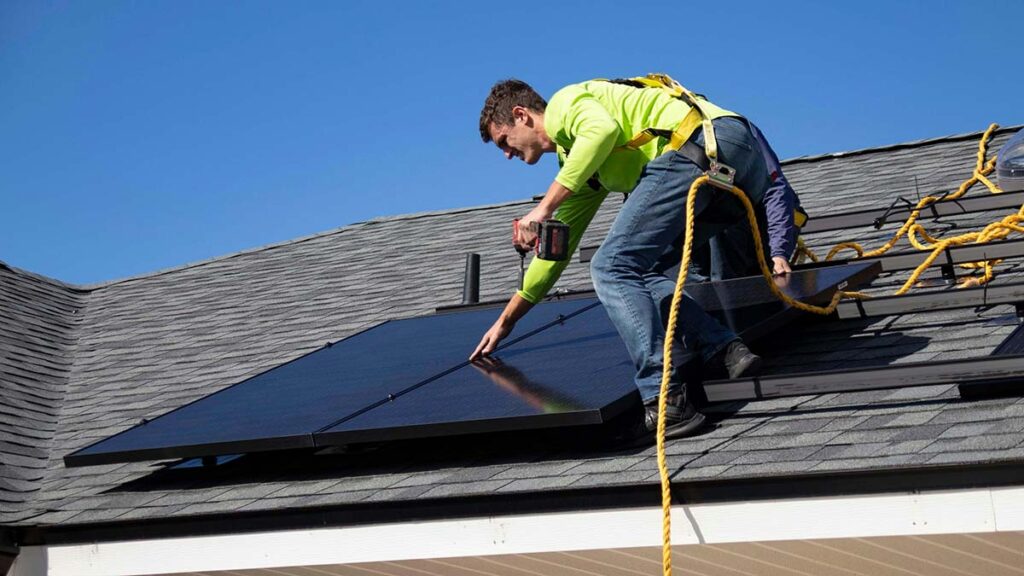
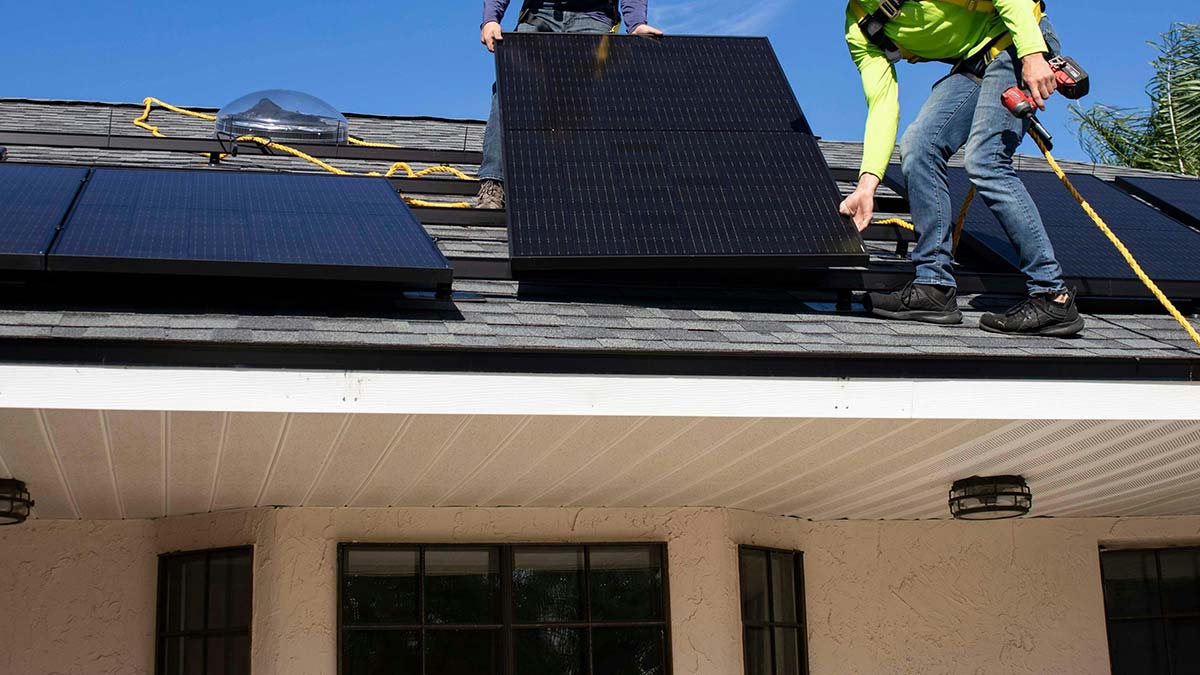
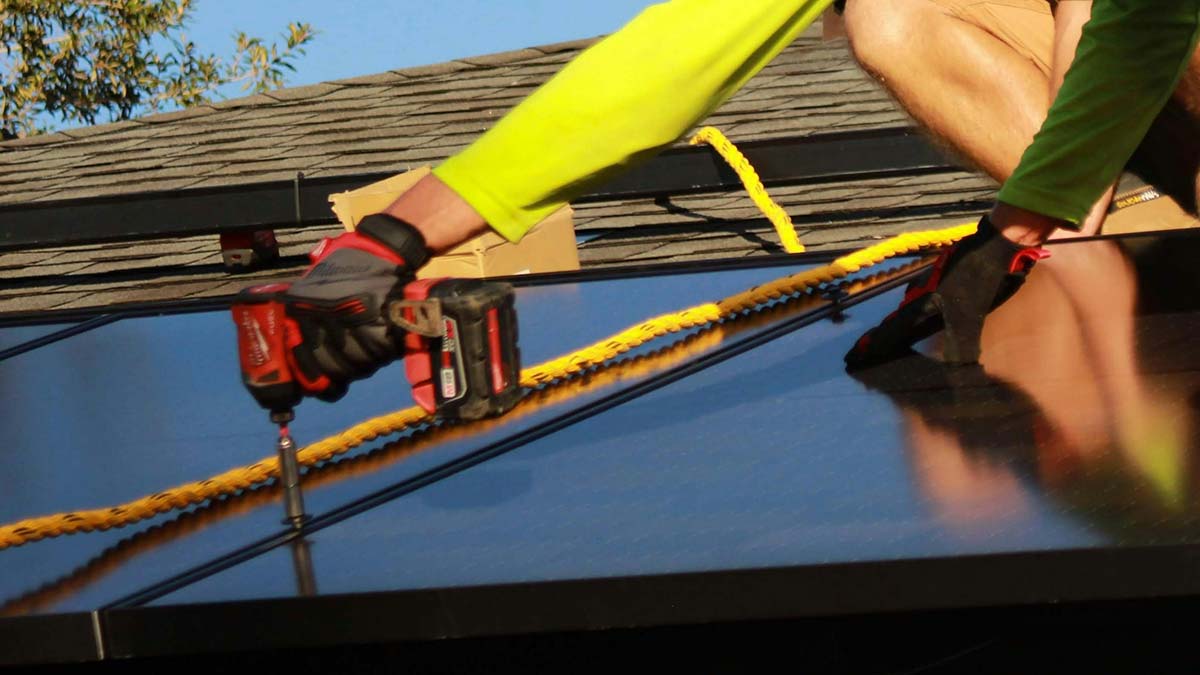
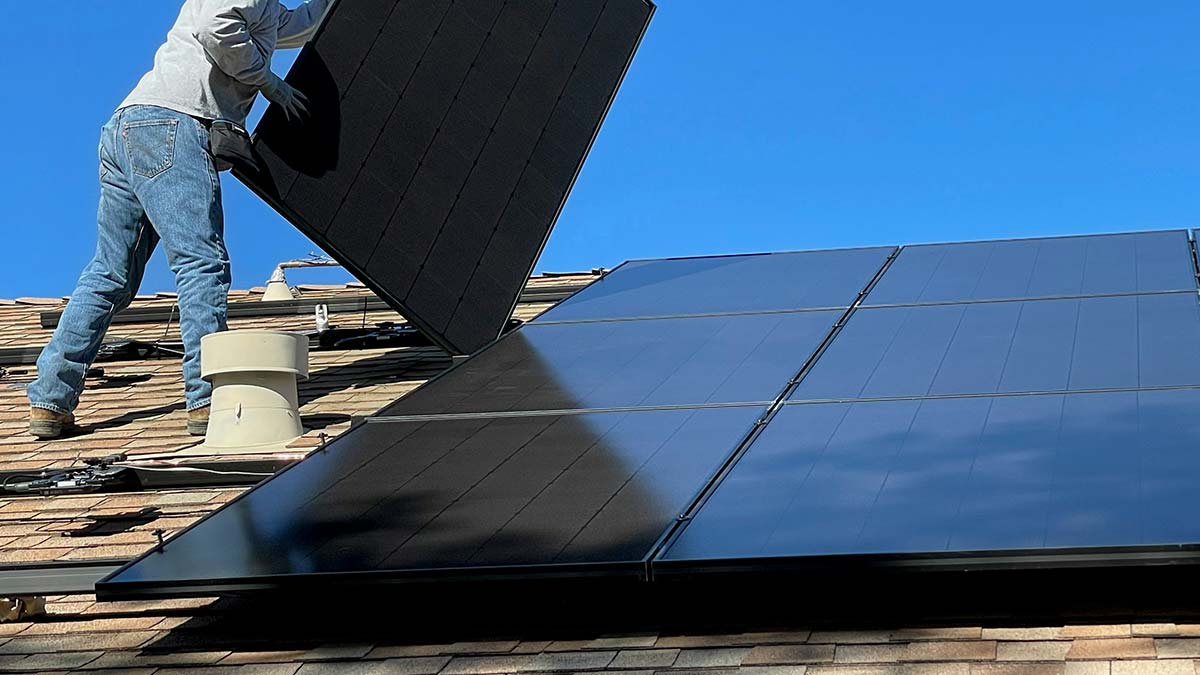
A crew shows up and the racking and panels go up the same day for most homes. Two days if the system’s bigger or the roof is tricky. That’s it for the loud, visible part.
The waiting happens before and after. And most of it isn’t up to your installer.
What actually takes the time
Four stages, and the middle two are where the weeks go.
Design and site check come first. Someone checks your roof and your shade, looks at how much power you use, then draws up a system and gets it engineered. Figure a couple of weeks.
Then the town permit. This is the one that swings the most. Some Western Mass towns run permits online and turn them around fast. Others still work on paper, and a small building department only meets so often. A busy stretch or a missing detail can stretch it out. Your installer files it, but the town sets the pace.
After the panels are up, the inspection happens. A local inspector checks the mount and the wiring against code.
Then the last gate: your utility. Before you can flip the system on, Eversource or National Grid has to review the connection and send a permission-to-operate letter. No letter, no switch-on, even with panels sitting on your roof. This step is entirely on the utility’s clock, not yours.
Stack it all up and you’re usually looking at a couple of months, door to door. Sometimes faster in a town with quick permitting. Sometimes longer if a step hits a backlog.
Why fall is a smart time to start
Two reasons.
First, the line is shorter. Summer is when everyone calls. People get their July electric bill, feel it, and want solar that week. Installers and permit offices both get slammed, and wait times stretch. By fall the rush eases, which means you move through the queue faster.
Second, timing to the sun. Solar makes the most power from spring into fall. Start a project now and you’re set up to be live and producing when the long days come back, instead of watching a good production season go by while you wait in a summer backlog.
Here’s the honest part, though. Over a full year, your net metering credits roughly even out no matter which month you start. Waiting doesn’t really cost you money. Starting now just means a shorter line, and a system that’s ready to bank credits when the sun’s doing the most work. Nothing more dramatic than that.
Plan backward from when you want power
The simple way to think about it: pick the month you want to be producing, then count back.
If you want to be up and running by spring, a fall start puts you right on track. The permit and the utility sign-off have room to happen over the quieter months, and your system’s ready to go when the days get long again. Wait until spring to start, and you’re stuck behind the summer rush, still waiting to switch on while the best sun of the year goes by.
Two things changed this year
The 30% federal tax credit for home solar ended on December 31, 2025. Buy a system in 2026 and there’s no federal credit anymore. It was a big chunk of the savings. Now more of it comes from net metering instead.
Net metering is also under review. The state opened a proceeding in late 2025 to look at what the credit is worth. Nothing has changed yet, and homes already connected have kept their terms every time the rules shifted before. Connect under today’s rules and you keep today’s rules. We explained how the credits work in our net metering post.
None of this is a reason to panic. The terms are good right now, and starting sooner gets you locked in under them.
FAQ
How long does it take to install solar panels in Massachusetts?
The roof work is one to two days. The full process, from signing to switch-on, usually runs a couple of months once you count design, the town permit, inspection, and utility approval.
What’s the slowest part?
The paperwork, not the panels. Town permitting and your utility’s permission to operate take the most time, and both are outside your installer’s control.
Can solar be installed in winter here?
Yes. Crews install year-round in Western Mass and clear snow off a roof when they have to. A fall or winter start means your system is live and ready when spring production kicks in.
If I start now, when will my system turn on?
Usually within a couple of months, depending on your town’s permitting speed and the utility’s review. A fall start generally has you producing by spring.
Should I wait for a better time?
Fall tends to move faster than the summer rush. And with the federal credit gone and net metering under review, starting under today’s rules locks in today’s terms.
Ready to get on the calendar?
Current Energy is based in Bernardston, and we handle the permit filing and the utility paperwork for you, so the slow parts are our job, not yours. We work these towns every day and know how each one runs its permits.
If you want to be producing by spring, now’s the time to start. Request a quote or give us a call, and we’ll map out the timeline for your town.