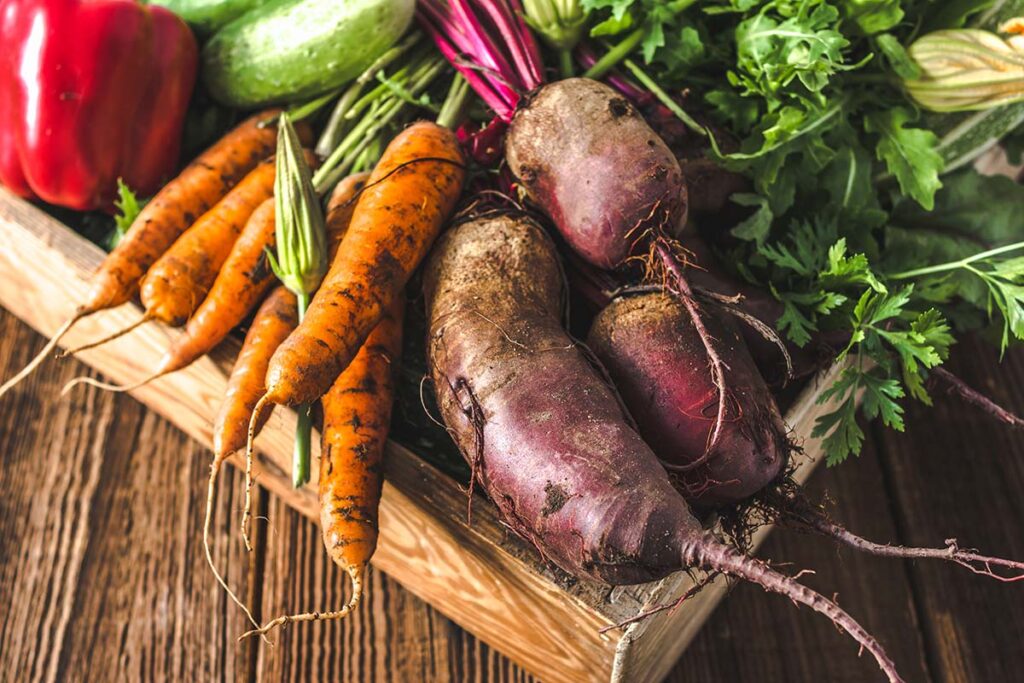
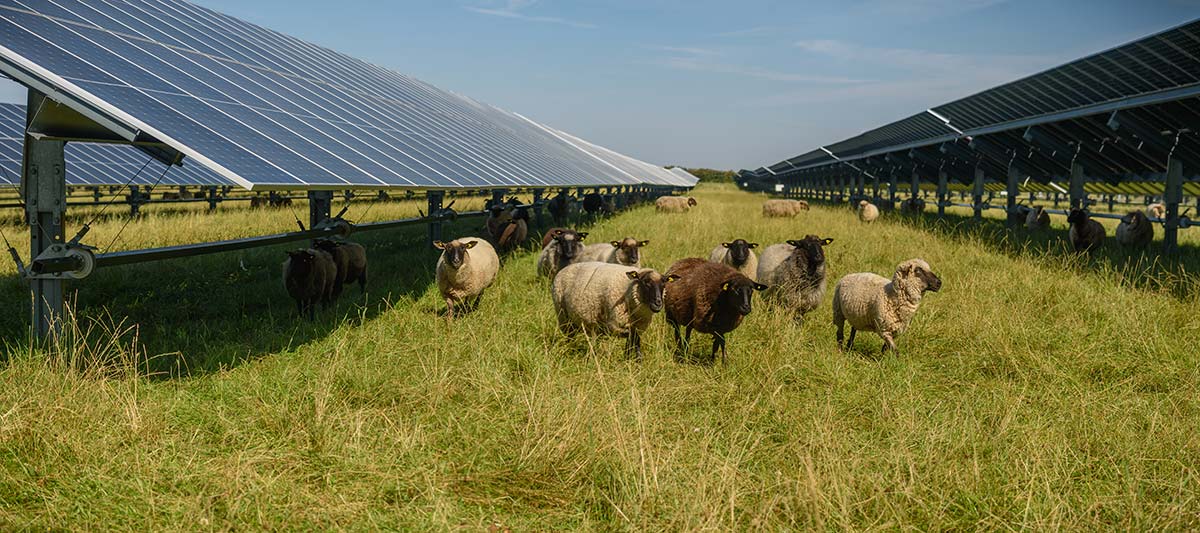
Drive through the Valley right now and you’ll see it side by side. One field planted in strawberries. The next one lined with solar panels. A few miles down the road, both are happening on the same piece of ground. Cross into Southern Vermont and you’ll find sheep grazing under arrays instead of someone mowing.
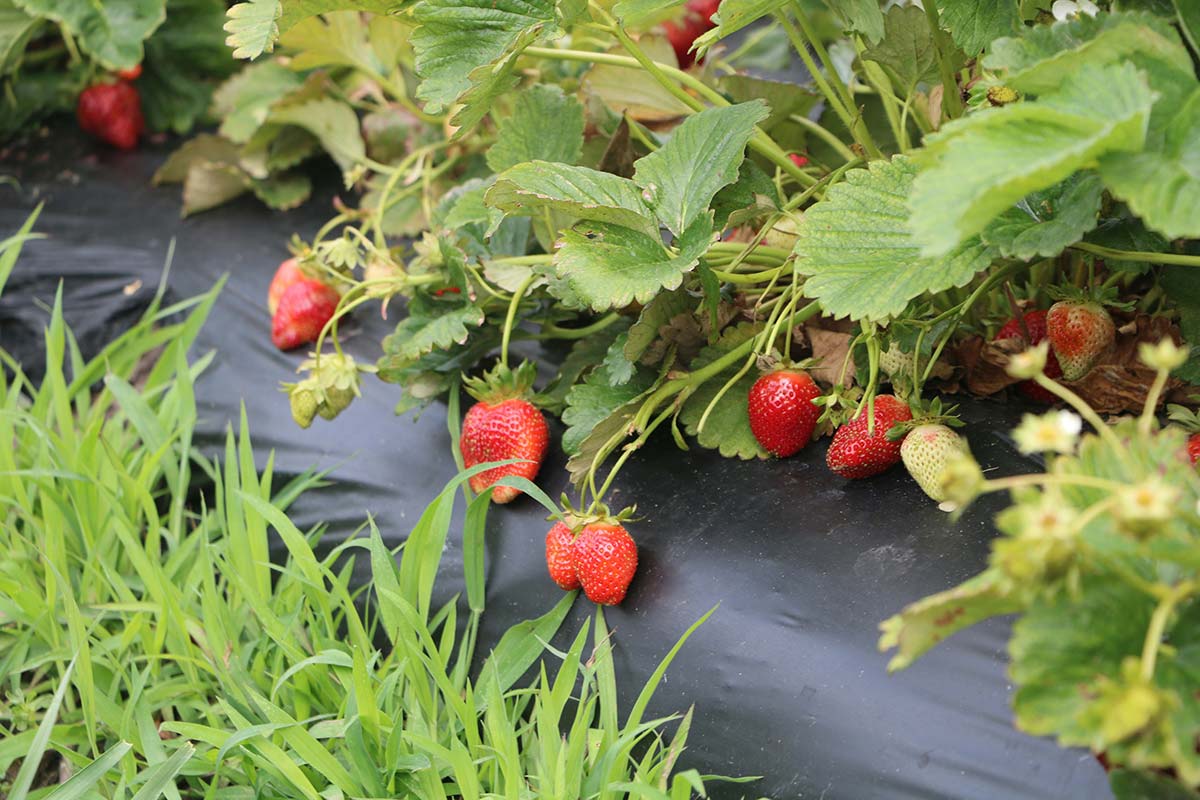
That’s the question people keep asking: does solar take farmland out of production, or can the land do both? Across our service area, from the Pioneer Valley up through Southern Vermont and into Southwestern New Hampshire, good soil is limited and electric bills keep climbing. The answer matters here more than most places.
The short version: the land can do both
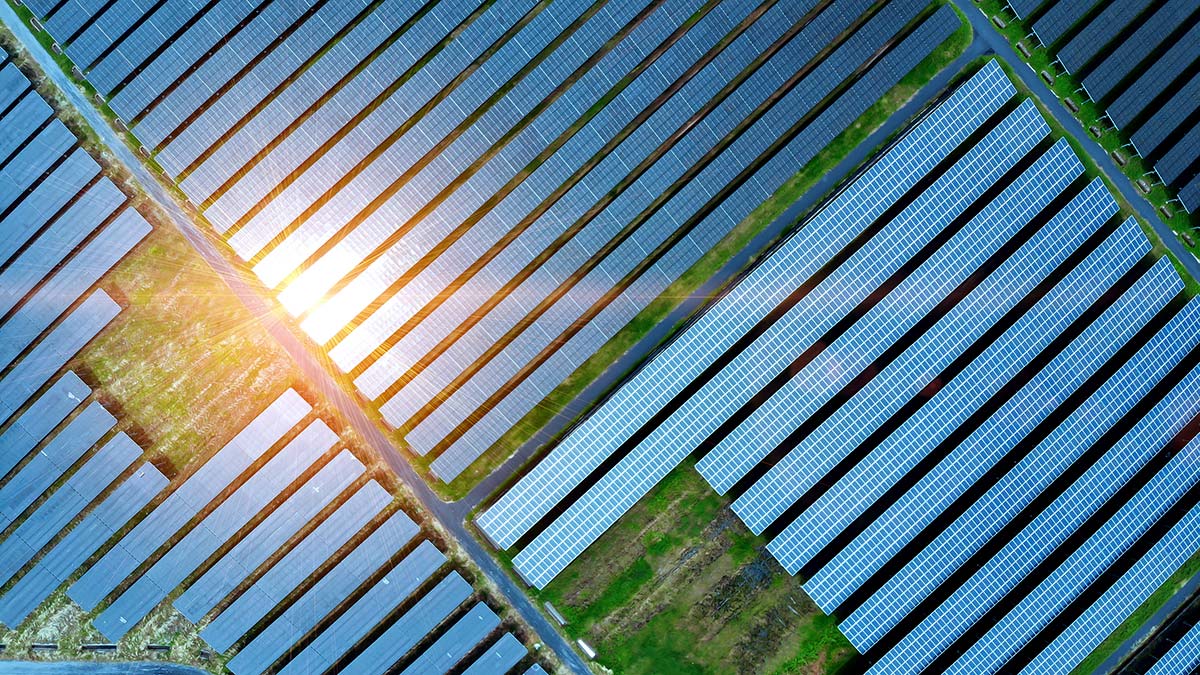
The idea is called agrivoltaics. Panels go up higher than a normal ground-mount array, usually around ten feet, with wider spacing between the rows. Crops grow underneath. The farm doesn’t stop being a farm.
It sounds like a compromise, but the results from local farms say otherwise. In some cases the crops actually do better. Shade slows evaporation in July, so the soil holds water longer. Plants get less heat stress, and you water less often. The panels earn income on top of whatever the harvest brings in.
Czajkowski Farm, three summers in
The best local example is Czajkowski Farm in Hadley, about 25 minutes south of Bernardston. Joe Czajkowski is a third-generation grower on 400 acres in the Pioneer Valley, selling to UMass dining, Springfield schools, Trader Joe’s, and local restaurants.
In 2023, Hyperion Systems installed a 375 kW dual-use array on 2.2 acres of the farm. The panels sit on single-axis trackers, ten feet up when horizontal, spaced 27 feet apart post to post. When equipment needs to pass through, the trackers stow vertical and get out of the way.
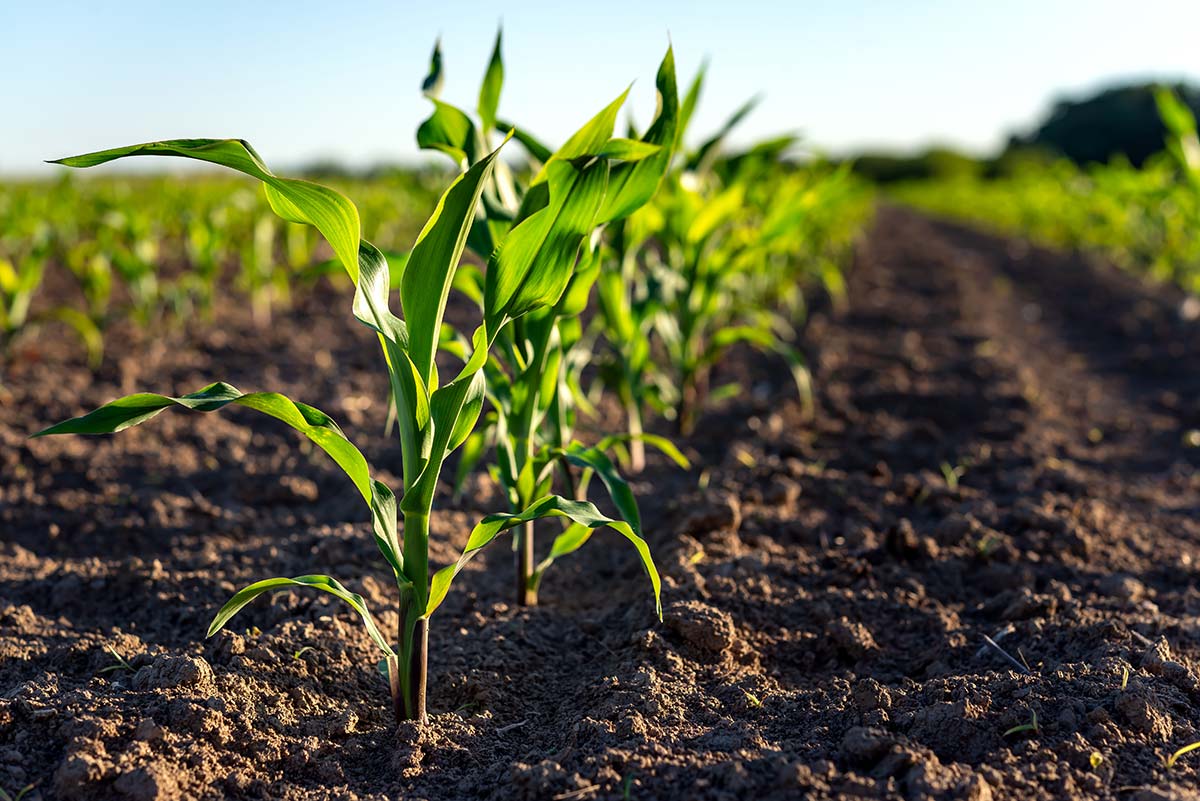
This is the farm’s third summer under those panels. The first two years were broccoli. Last summer Czajkowski switched to sweet corn and cilantro. He says nothing changed about how he works the field. But the money did. The array cuts his electric bill by more than $5,000 a month, and the lease income from the panels adds to that. As he puts it: farmers don’t get pensions, so this is his.
The array is part of a UMass Amherst research project funded by the U.S. Department of Energy, tracking crop productivity, soil health, and microclimate conditions under the panels. That research has been running since 2021 and wrapped its data collection this year.
Across the border: sheep and solar in Vermont
Crops under panels is one version. In Vermont, the more common version is livestock.
Lewis Fox runs Agrivoltaic Solutions out of Leicester, Vermont. He and his wife bring sheep to solar sites within a two-hour radius, hired by solar companies to manage vegetation under the arrays. The sheep fit under the panels, they keep the grass down without mowing, and the solar company doesn’t have to run a crew with string trimmers every few weeks.
It’s real agriculture, not window dressing. Fox has said that directly. Solar makes up about 16% of the energy Vermont generates, and as that number grows, so does the grazing. Vermont’s Standard Offer program supports the economics for these dual-use sites, and towns like Shelburne have gone as far as mapping potential solar sites across their land to plan ahead.
For farms in Southern Vermont with pasture that could carry an array, sheep grazing under panels is one of the lowest-friction ways to add solar income without changing how the land is used.
Why this matters more in 2026
The federal picture changed for everyone. The 30% tax credit for home solar ended on December 31, 2025. That shifts the economics for every solar project in the region, whether you’re in Franklin County, Windham County, or Cheshire County. Income from the panels and from net metering now carries more of the financial weight.
In Massachusetts, SMART 3.0 went into effect with a dual-use agricultural adder that pays an extra $0.06 per kilowatt-hour on top of the base SMART rate for systems that keep the land in active production. For a farm-scale array, that adds up fast over a 20-year term. Governor Healey’s March 2026 Executive Order set a target of 4 GW of new in-state solar over the next decade. That much capacity has to go somewhere, and the siting question is going to get louder.
Vermont and New Hampshire don’t have an equivalent adder, but both states support dual-use through their own programs. Vermont’s Standard Offer feeds farm-sited solar into the grid at a set rate. New Hampshire supports agrivoltaics through group net metering, which lets a farm share credits across multiple meters. And all three states require decommissioning plans for ground-mount arrays, meaning the developer has to remove the equipment and restore the land when the project ends. The farmland comes back.
The real concern: losing good farmland
The worry is fair. Massachusetts has already lost a lot of its best agricultural soil to housing and commercial development. Once prime farmland is paved, it doesn’t come back. People see a solar project proposed on open land and the reaction is understandable: that field should be growing food.
That concern is why siting matters. A solar project on a parking canopy or a barn roof doesn’t touch cropland at all. Rooftop and building-mounted installations handle the power without the land question even coming up. When projects do go on farmland, dual-use design keeps the ground in production.
Mass Audubon’s siting guidance lays out a clear priority: rooftops and already-developed land first, then lower-quality or marginal soils, with prime farmland as a last resort. SMART 3.0 reinforces that by adding mitigation fees for ground-mount projects on undeveloped land that don’t qualify for a dual-use or brownfield adder.

What happens under the panels
The ecological side is worth knowing about, especially in a summer like this one.
Shade from the panels reduces soil temperature and slows water loss. In a hot, dry July that’s the difference between watering twice a day and watering once. Some crops handle the partial shade well. Leafy greens, berries, herbs, and pasture grasses have all shown steady or improved yields under agrivoltaic systems in both UMass trials and European research.
There’s a pollinator angle here too. Massachusetts runs a Pollinator-Friendly Solar PV certification through UMass. Under the program, ground under large arrays gets planted with native wildflowers and shrubs instead of just gravel or turf. Bees and butterflies move through those corridors and into adjacent orchards and berry patches. Farms near pollinator-friendly arrays have reported stronger pollination in neighboring fields.
The ground itself holds up better under panels than you’d expect. Shade breaks up heavy rainfall and harsh sun, which cuts erosion on sloped land. Over time, soil structure stays intact instead of going through the bake-and-wash cycle an open field takes all summer.
What this looks like for a working farm
For a farm in our service area, whether it’s a vegetable operation in the Valley, a dairy in Southern Vermont, or a hay farm in Southwestern New Hampshire, the practical picture is straightforward.
The electric bill gets smaller. Cold storage, greenhouses, irrigation pumps, packing shed lights, all of it runs on power. Panels on a barn roof or a dual-use array in a field cut that cost every month. Pair the array with battery storage and the farm keeps running through outages too.
Under a dual-use system in Massachusetts, the land has to stay in active agriculture for the full 20-year SMART 3.0 program term. UMass Extension reviews the agricultural plan before the project qualifies. The farming has to be real.
On top of that, the income from panels stacks with the harvest. Net metering credits come off the electric bill. SMART pays on every kilowatt-hour produced. And the field underneath still grows whatever you planted. For a farm running tight margins, that combination is what makes the numbers work.
The siting conversation isn’t going away
Every town in this part of New England has some version of this debate at planning meetings. More solar is coming. The question is whether it lands on rooftops and parking lots, or on the best growing soil in the county.
Both can happen on the same ground. Czajkowski Farm is 25 minutes from Bernardston, and the sweet corn came off fine last August. Vermont sheep farmers are grazing under arrays without skipping a season.
For farms thinking about solar, the first step is figuring out what fits your property. Current Energy works with farms across the Pioneer Valley, Southern Vermont, and Southwestern New Hampshire. We can look at your buildings, your fields, and your electric use, and tell you what makes sense before you commit to anything.
Get in touch and we’ll walk through it.