Older homes have a way of making every project a little more interesting.
That is true with solar, too.
Greenfield has plenty of houses that were not built with rooftop solar, battery backup, heat pumps, or EV chargers in mind. Some have been updated many times over the years. Some still have electrical panels that need a closer look. Some have rooflines with dormers, chimneys, slate sections, porches, additions, and shade from trees that have been there longer than most of the neighborhood.
None of that means solar is off the table.
It just means the house deserves a real review before anyone starts promising production numbers or talking about how many panels will fit.
For older Greenfield homes, the best solar plan usually starts with a few basic questions: Is the roof ready? Is the electrical system ready? Does the house get enough sun? And is the roof even the best place for the panels?
Start With the Roof
For most homes, the roof is the first place people think about putting solar panels.
That makes sense. The space is already there, and a good roof can be an excellent place for solar. But on an older home, the condition of the roof needs to be checked early.
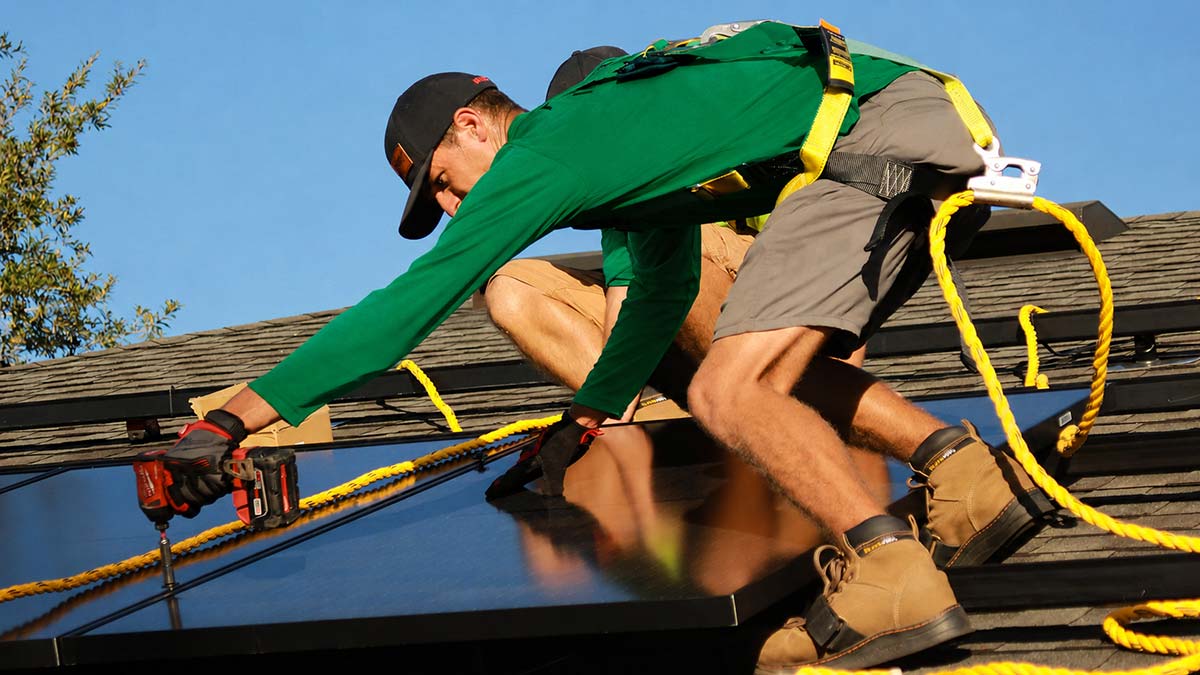
If the roof is near the end of its life, it may be smarter to handle that first. Taking panels off a few years after installation so the roof can be replaced adds cost and frustration that could often be avoided.
The material matters, too.
Asphalt shingles are usually more straightforward. Metal roofs can work very well when the setup is right. Slate, older standing seam, or unusual roof materials may need more care. Every roof is different, and older homes tend to have more surprises.
A good solar review should not skip this step. Before the system is designed, someone should know what kind of roof they are working with and whether it is ready to hold panels for the long run.
Roof Shape Can Change the Design
Older homes often have more complicated rooflines than newer houses.
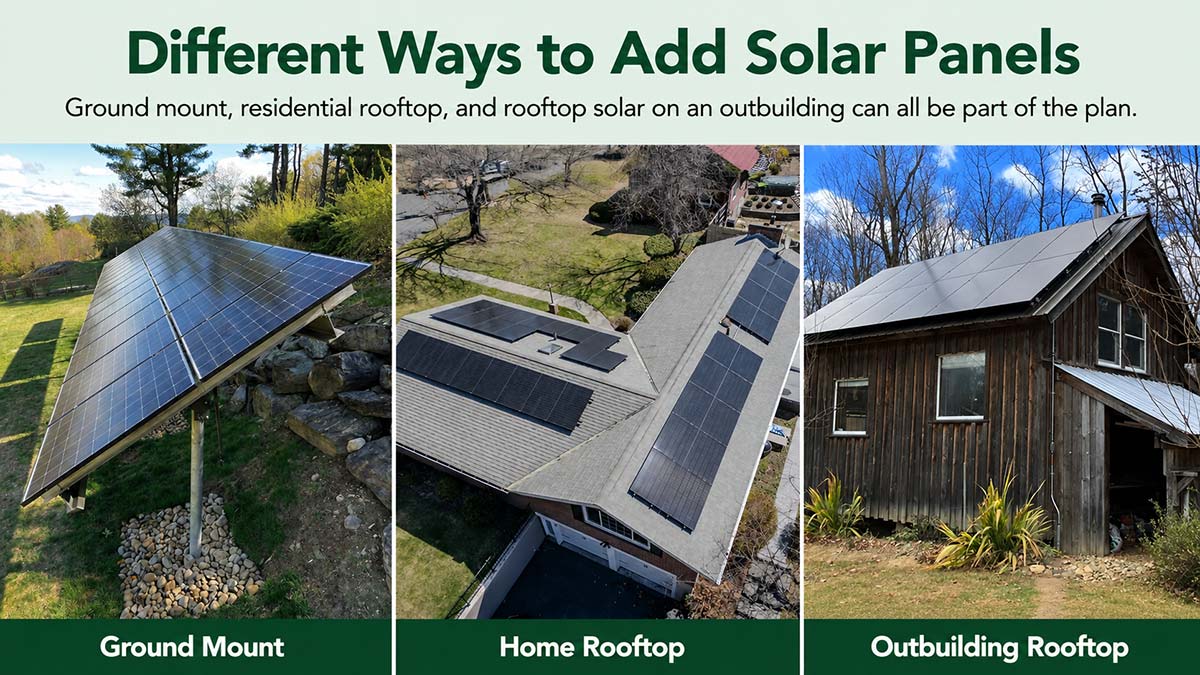
A simple south-facing roof plane is easier to design around. A roof broken up by dormers, chimneys, vents, additions, and small sections can still work, but the layout takes more thought.
That does not mean the house is a bad candidate.
It just means the solar array may need to be split across different sections of roof, or the installer may need to look at another part of the property. A garage roof might get better sun. A barn or outbuilding might offer more usable space. On some Greenfield properties, ground-mounted solar may be worth considering.
The goal is not to force panels onto the first roof surface that looks available. The goal is to find the spot where the system will actually perform well.
Shade Is Worth Checking Carefully
Greenfield has neighborhoods where mature trees are part of the character of the street.
They are also one of the first things to review for solar.
A roof can look sunny from the driveway and still lose production during the best hours of the day. A tree on the edge of the yard may cast a long shadow in winter. A nearby building or steep roof angle can also affect how much sun the panels get.
Shade does not always ruin the project. Sometimes it only affects one part of the roof. Sometimes a different roof section works better. Sometimes a garage or ground mount solves the problem.
But shade should not be guessed at.
A proper solar review should look at sun exposure across the day and through the seasons. That matters even more on older properties where trees, rooflines, and additions can make the situation less obvious.
The Electrical Panel Matters
Solar is not only a roof project.
It connects to the home’s electrical system, and that is where older homes often need a closer look.
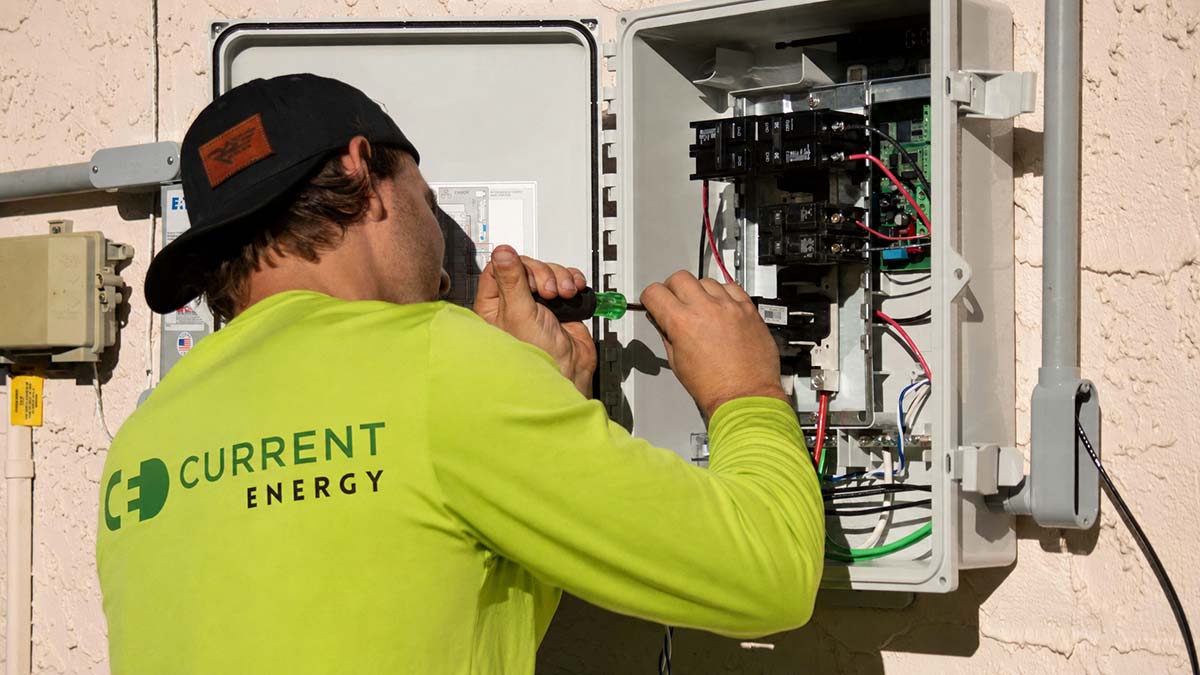
Some Greenfield homes have modern electrical service and plenty of room for solar. Others may have older panels, limited capacity, or past upgrades that need to be reviewed before new equipment is added.
This is not something to panic about.
It simply needs to be part of the first conversation. If the electrical panel needs work, it is better to know early. That way the solar plan can account for it instead of running into a problem halfway through the project.
This is also where Current Energy’s electrical background matters. Solar, battery storage, EV charging, and load management all connect back to the home’s electrical system. A company that understands the whole setup can give a clearer answer about what the house is ready for now and what may need to change.
Think About Future Electric Use
A lot of older homes are using electricity in new ways.
Maybe the house now has heat pumps. Maybe an EV charger is coming soon. Maybe the homeowner is thinking about battery backup after a few storm-related outages.
Those plans matter.
If a solar system is designed only around last year’s electric bill, it may not match the way the home will use power in the next few years. A house with future heat pumps may need a different solar plan than one that will keep its current heating system. A home with an EV charger may need more electrical planning than a home without one.
This does not mean everything has to be installed at once.
It means the solar design should leave room for the direction the homeowner is already heading.
Battery Backup Should Be Discussed Early
Many homeowners ask about solar because they want lower electric bills. Others are thinking about power outages.
Those are different goals.
A standard grid-tied solar system usually shuts down when the grid goes down. If the homeowner wants backup power, the system needs to be designed for that. Battery storage may be part of the answer.
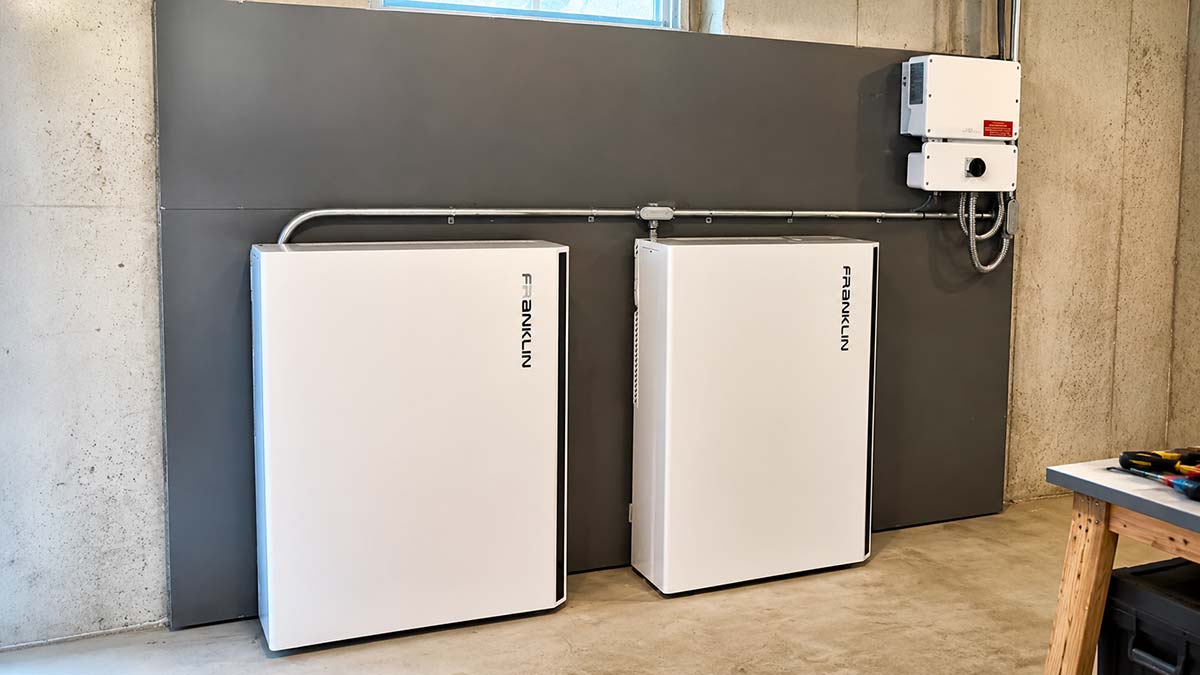
For an older Greenfield home, battery backup should be discussed before the solar design is finished. The installer needs to know what should keep running during an outage. That might be the refrigerator, the well pump, a few lights, the modem, or part of the heating system.
Some homes need a simple critical-load setup. Others may need more planning.
It depends on the house.
Ground Mount Solar May Be an Option
Rooftop solar is often the first choice, but it is not the only choice.
If the roof is shaded, too old, too complicated, or facing the wrong direction, ground-mounted solar may be worth looking at. This can be especially useful on properties with open land, a sunny side yard, or a spot away from tree cover.
Ground mounts can be easier to access for service. They can also be placed for better sun exposure than the house roof.
But they need space. They may require trenching. They also need to be located where they will not interfere with driveways, gardens, septic areas, future building plans, or regular use of the property.
For some older Greenfield homes, the best solar location is not on the house. A careful site review can help figure that out.
What to Check Before Installing Solar on an Older Home
Before moving forward, it helps to look at the big pieces.
Roof age and condition
If the roof may need replacement soon, deal with that before installing panels.
Roof material
Some roof types are more straightforward than others. Older or specialty materials may need extra review.
Roof layout
Dormers, chimneys, vents, and additions can affect how many panels fit.
Sun exposure
Trees, nearby buildings, and winter sun angle can all change solar production.
Electrical service
The panel and service capacity should be reviewed before solar is added.
Future energy use
Heat pumps, EV charging, and battery storage can affect the right system size.
Backup power goals
If the homeowner wants power during outages, storage should be part of the early planning.
Older Does Not Mean Unsuitable
An older home can still be a good solar candidate.
It may just take a little more planning.
The roof may need to be checked. The electrical panel may need review. The best panel location may turn out to be a garage, barn, or ground mount instead of the main roof. Battery backup may be worth discussing if outages are part of the homeowner’s concern.
That is not a bad thing. It is just the reality of working with older New England homes.
A solar system should be designed around the house that is actually there, not the simple version of a house on a sales brochure.
Thinking About Solar for an Older Home in Greenfield?
If you own an older home in Greenfield, solar may still make sense.
The first step is not guessing from the street. It is taking a practical look at the roof, the shade, the electrical system, and the way the home uses power.
Current Energy can review the property and help you understand whether rooftop solar, battery storage, ground-mounted solar, or electrical upgrades should be part of the plan.
Some older homes are ready for solar now.
Others need a little prep work first.
Either way, a careful review will give you a better answer than a quick estimate.