
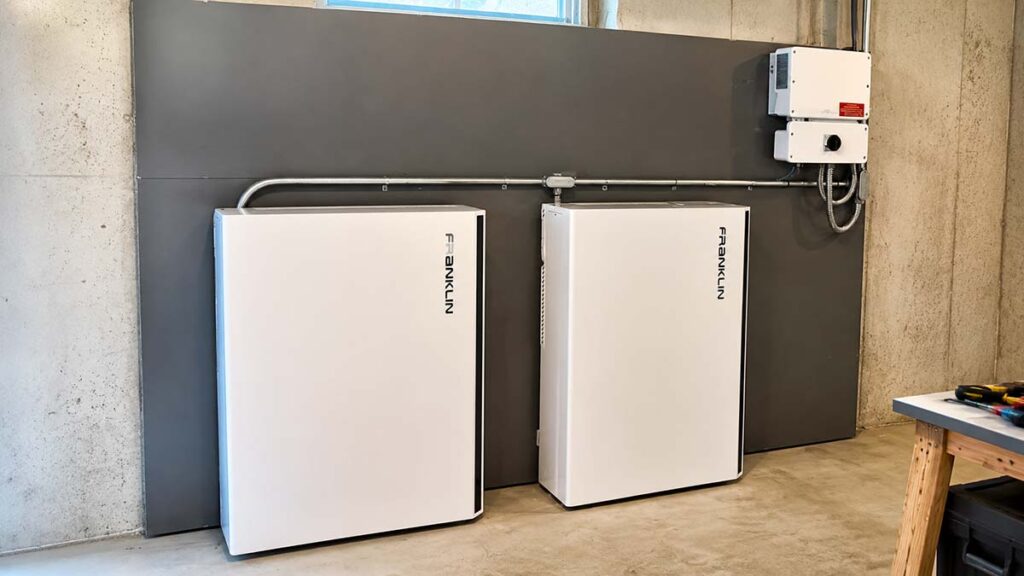
This is one of the first questions people ask when they start looking at solar in Greenfield:
“If the power goes out, will my solar panels keep the house running?”
Usually, no.
That answer catches people off guard. You have panels. The sun is out. It seems like the house should still have power.
But most home solar systems are connected to the grid. When the grid goes down, the solar shuts down too.
That is mainly for safety. If utility crews are working on the lines, your system cannot send power back onto those lines.
Battery storage is what changes that setup.
With the right equipment, a solar and battery system can keep selected parts of the house running during an outage. Not always the whole house. Usually the important stuff.
So the real question is not just whether you want solar.
It is whether you want solar to help when the grid is down.
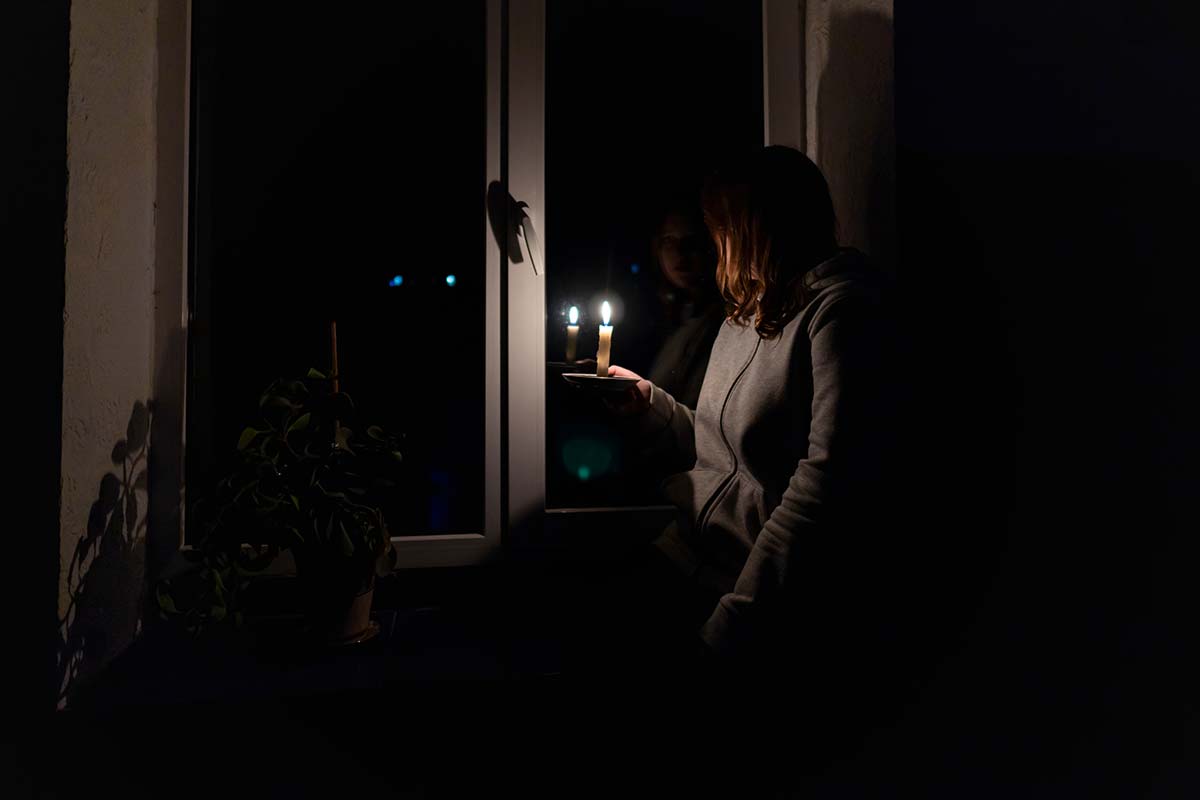
Solar Helps With Bills. Batteries Help With Outages.
Solar and batteries get talked about together so often that they can sound like one thing.
They are not.
Solar panels make power during the day. That power can lower what your home needs from the utility company. On a sunny afternoon, your house may be running mostly on the energy coming off the roof.
A battery is there for a different reason.
It holds power for later, which matters most when the grid is down or when the home needs backup support after the sun is gone.
For a Greenfield homeowner, this is the question to answer early:
Do you want solar mainly to lower the electric bill?
Or do you want the system to help keep part of the house running during an outage?
Both are reasonable goals. They just need different equipment.
Why Solar Shuts Down During an Outage
Most home solar systems in Greenfield are still tied to the electric grid.
That is how the house gets power when the panels are not producing enough. It is also how extra solar production may get handled, depending on the utility and the billing setup.
But when the grid goes down, the solar system has to shut down with it.
That can feel frustrating. The panels may be sitting in full sun, and the house still loses power.
The reason is safety.
During an outage, line crews may be working nearby. A standard solar system cannot keep sending electricity back toward the grid while that work is happening.
So the panels alone are not enough for backup power.
To keep part of the house running during an outage, the system needs equipment that can safely separate from the grid. That is where battery storage comes in.
A Battery Does Not Always Run the Whole House
Some homeowners imagine battery backup as a silent replacement for the grid.
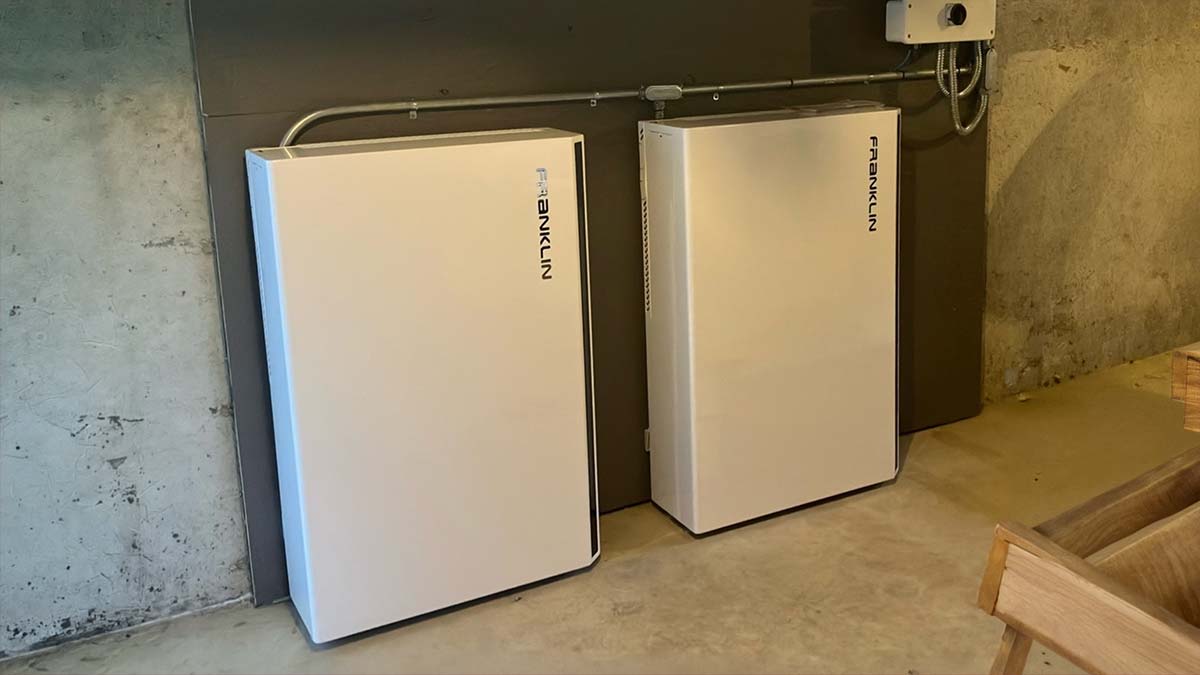
Sometimes a system can be designed to cover a large portion of the home. But in many cases, battery backup is set up to power the most important loads.
That might include the refrigerator. It might include internet equipment, a well pump, heat controls, lights in key rooms, or a few outlets for charging phones and laptops.
For some homes, that is enough.
For others, the needs are bigger. A homeowner using electric heat, medical equipment, or a home office may need a more detailed plan. The same goes for a house with a larger electrical load or multiple systems that may need to run at once.
Battery backup works best when it is designed around real needs, not guesses.
Greenfield Homes Have Different Backup Power Needs
Greenfield has a mix of older homes, newer construction, rural edges, denser neighborhoods, and properties that sit somewhere between town and country.
That mix matters.

A home close to downtown Greenfield may have different outage concerns than a house on a quieter road with more tree cover. A newer home with updated electrical service may be easier to plan around than an older house with a panel that has been added onto over the years.
Some Greenfield homeowners mostly want protection from brief outages.
Others want enough backup power to get through longer storm-related disruptions.
The right battery setup depends on what has to keep running.
A small backup plan may be focused on comfort and convenience. A larger one may be about keeping essential systems online.
What Should a Battery Backup System Power?
This is where the conversation gets practical.
During an outage, most people are not trying to run the house exactly the way they would on a normal day. They want the basics covered.
For one Greenfield homeowner, that might mean the refrigerator, the modem, and a few kitchen outlets.
For another, the well pump is the big one. No power to the pump means no running water.
Heat can also be part of the backup plan, but it needs a closer look. Even if the house uses oil or propane, the heating system may still need electricity for controls or circulation. Heat pumps are a bigger draw, so they have to be planned for more carefully.
That does not mean battery backup is out of reach.
It just means the installer should ask a plain question before recommending equipment:
“What do you need to keep running if the power goes out?”
Battery Storage Should Be Discussed Before Solar Is Installed
Battery backup can sometimes be added later. But it is usually better to talk about it early.
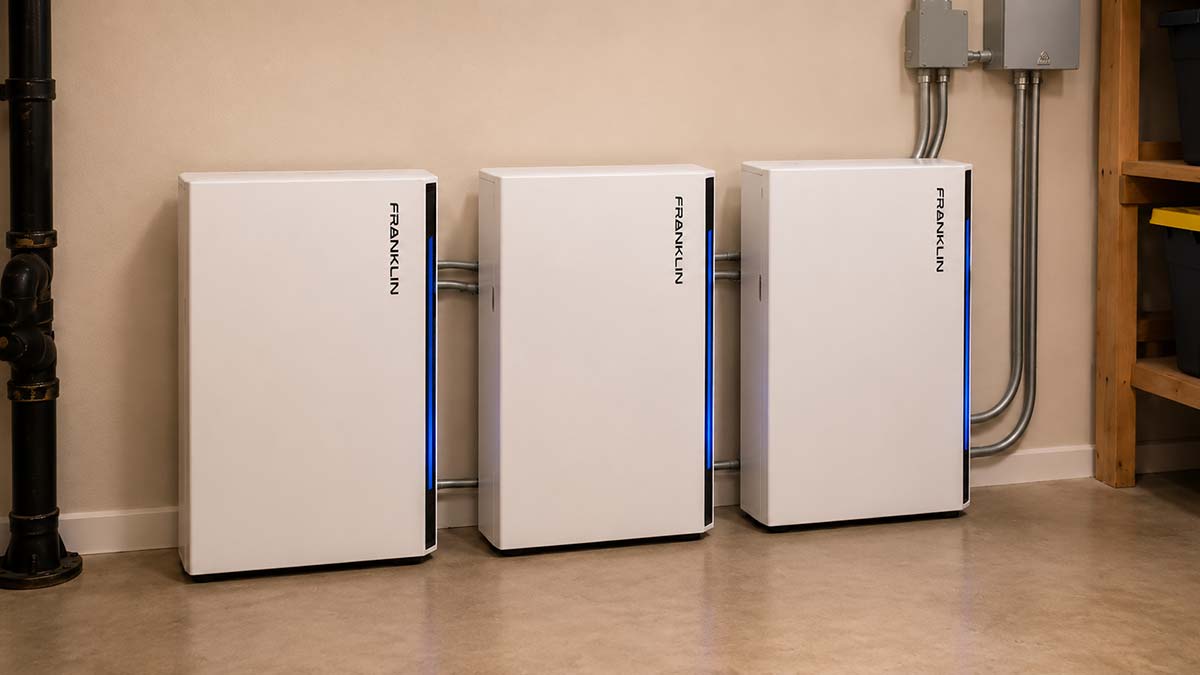
If you are planning a new solar installation in Greenfield, bring up storage before the system is designed. That gives the installer a chance to think through inverter choices, panel location, load management, critical loads, and future upgrades.
Waiting until later can limit options or make the project more complicated.
That does not mean every homeowner has to buy a battery on day one. Some people install solar first and plan for storage later. That can be a reasonable approach if the system is designed with that future step in mind.
The important thing is not to treat battery backup as an afterthought.
Older Electrical Panels May Need a Closer Look
Battery storage connects to the home’s electrical system, so the panel matters.
Some Greenfield homes have modern electrical service with room for upgrades. Others have older panels or setups that need review before adding solar, storage, EV charging, or load management.
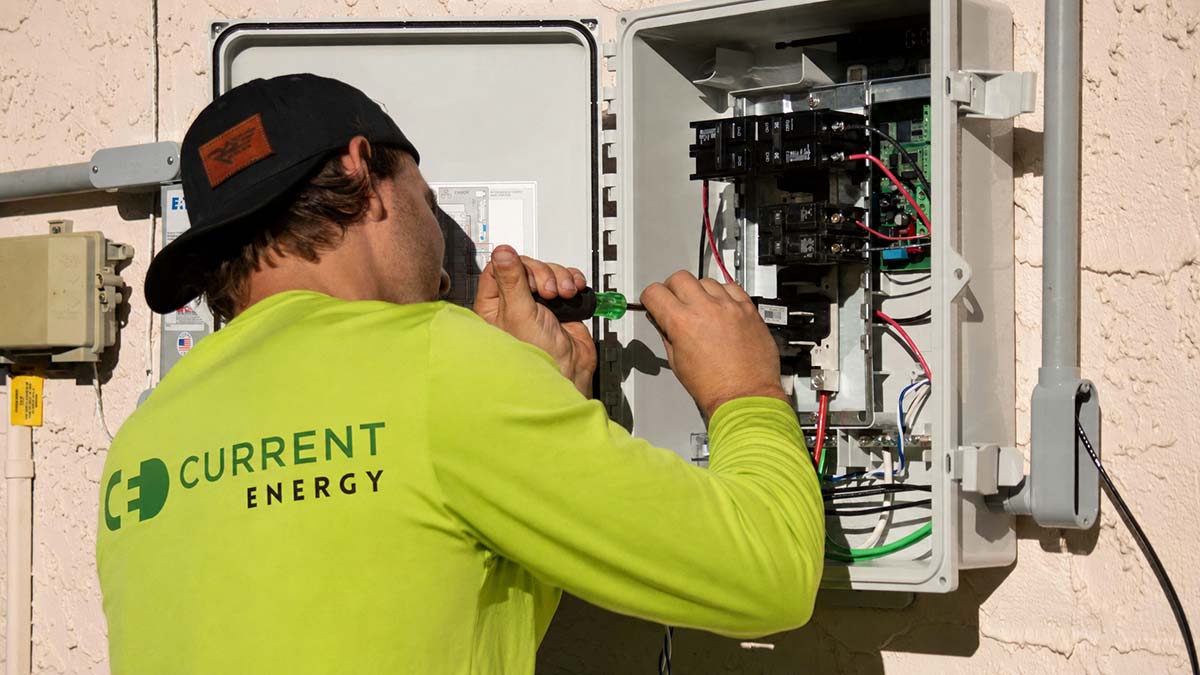
This is one reason it helps to work with a company that understands both solar and electrical work.
The issue is not only whether panels can fit on the roof. The question is whether the home’s electrical system is ready for the setup the homeowner wants.
That becomes especially important when battery backup is part of the plan.
The installer may need to identify which circuits should be backed up. They may need to separate critical loads. They may recommend load management if the homeowner wants more control over how power is used during an outage.
That planning is easier when it happens early.
Battery Backup and EV Charging Need Careful Planning
A lot of homeowners are thinking about more than solar.
Maybe an EV charger is coming next year. Maybe heat pumps are already installed. Maybe the home’s electric use has climbed because more work is happening from home.
Those details change the conversation.
If you add an EV charger, your electric use may go up. If you add battery backup, you need to decide whether the charger is part of the backup plan or something that only runs when the grid is available. In most homes, charging an EV from backup power during an outage is not the main priority.
That is not a problem. It just needs to be planned.
Solar, storage, EV charging, and load management all connect. A good design should take the full picture into account instead of treating each piece separately.
Is Battery Backup Worth It for Every Greenfield Home?
No.
Some homeowners are mainly focused on electric bill savings. If outages are rare or not much of a concern, a standard solar system may be enough.
Other homeowners have stronger reasons to consider storage.
Battery backup may be worth discussing if outages are disruptive, if the home has a well pump, if someone works from home, if medical equipment needs power, or if the homeowner wants more control during storms.
There is also a comfort factor.
Some people simply do not want to sit in the dark wondering when power will come back. That is a valid reason to ask about storage, even if the final answer is a smaller backup setup rather than whole-home coverage.
What Greenfield Homeowners Should Ask Before Adding a Battery
Before choosing battery backup, ask a few practical questions.
What do I need to keep running during an outage?
Start with the essentials. Refrigerator, heat controls, well pump, internet, lights, and outlets are common priorities.
How long do I want backup power to last?
A short outage and a multi-day outage are different design problems.
Do I want whole-home backup or critical-load backup?
Backing up selected circuits is often more practical than trying to run everything.
Is my electrical panel ready?
Older panels may need review before storage is added.
Am I planning heat pumps or EV charging?
Future electric use can affect system design.
Should I install a battery now or plan for one later?
Both can work, but the solar design should account for the direction you are heading.
Current Energy Can Help Plan Solar and Storage Together
Current Energy works with homeowners, farms, and businesses throughout Western Massachusetts, including Greenfield and the surrounding Franklin County area. The company installs solar panels, battery storage systems, EV chargers, load management systems, and electrical services.
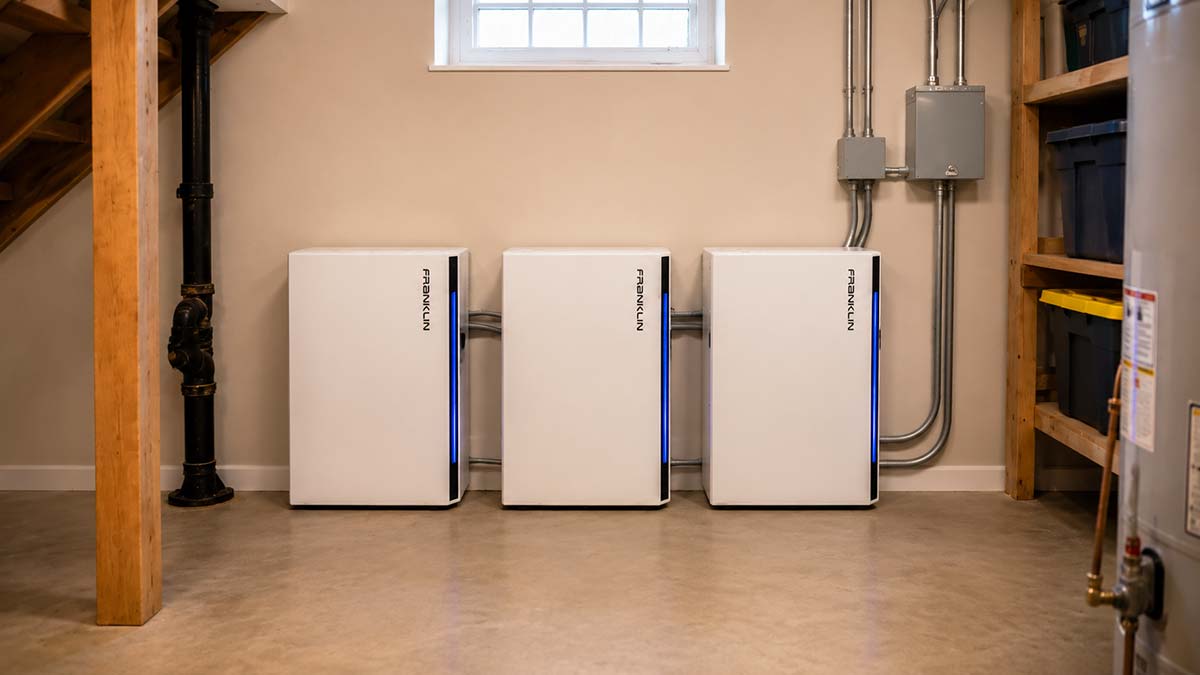
That matters because battery backup is not just a solar add-on.
It is part of the home’s electrical system.
If you are installing solar now, Current Energy can help you decide whether storage should be included right away or planned for later. If you already have solar, they can review your existing setup and talk through what battery backup might require.
The goal is to build a system that matches the way your home actually uses power.
Thinking About Battery Backup for Your Greenfield Home?
If you already have solar, or you are planning a new solar installation, battery backup is worth a conversation.
You may not need it.
But if outage protection is part of the reason you are interested in solar, it should be discussed before the system is designed.
Current Energy can review your home, your electrical setup, your solar goals, and the loads you want to keep running. From there, they can help you understand whether battery storage makes sense for your Greenfield home.
Solar can help lower the bill.
A battery can help keep the important things running when the grid is down.
They work best when they are planned together.