
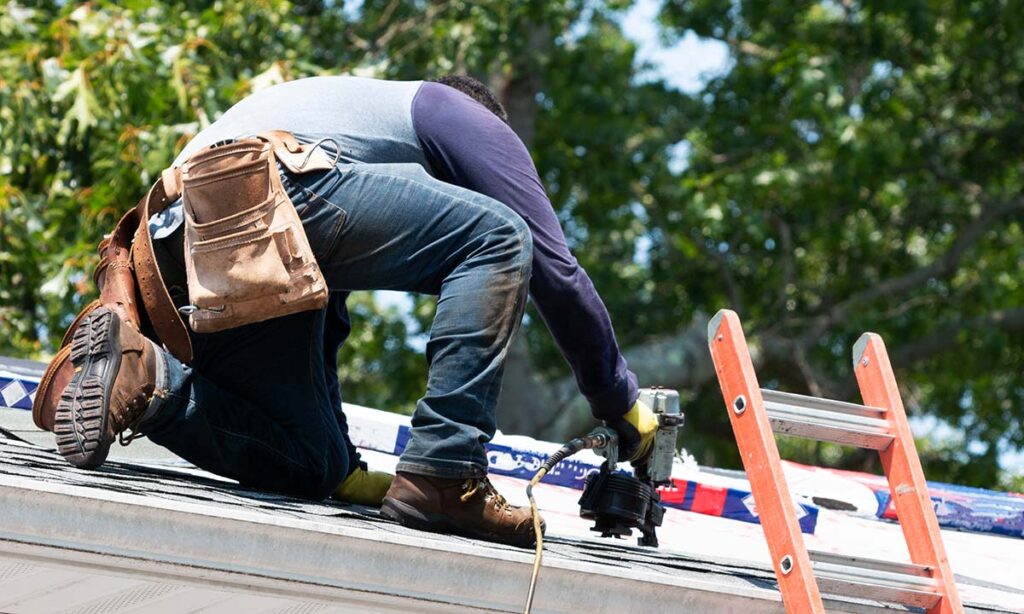
You finally admit it: the roof is getting tired. Shingles are starting to curl, you’ve had a couple of questionable leaks, and your roofer is gently suggesting that “sooner” should be more like “now.” At the same time, you’re looking at neighbors’ solar arrays and wondering if you’re about to do this in the wrong order.
From our side of the trade, this is one of the most important sequencing decisions a Western Massachusetts homeowner makes. Solar is a 25‑year commitment. Your roof has to be ready for that kind of partnership.
Table of Contents
ToggleWhy roof condition matters so much once solar is involved
A good solar array will outlast at least one roofing cycle on a typical New England home. If you put panels on a roof that only has a handful of good years left, you’re almost guaranteeing you’ll pay twice: once to install the system, and again to have it taken off and re‑installed when the roof finally has to be replaced.
That removal and re‑install is not theoretical. Crews have to come back, unbolt racking, disconnect wiring, store or stage panels, and then repeat the whole process after the new roof goes on. It’s real labor and real risk, and it can easily run into the thousands of dollars for a typical residential system.
That’s why any roofer you trust—and the better solar companies in Massachusetts—will tell you a version of the same thing: if your roof is near the end of its life, deal with it before you load it up with long‑lived hardware.
A simple rule of thumb for Western MA roofs
You don’t need a moisture meter to get into the right ballpark. In our climate:
- An asphalt‑shingle roof that’s 18–20+ years old, or already on a second layer, should be considered “end of life” for solar‑planning purposes.
- A roof with active leaks, soft spots, or visible sagging should be repaired or replaced before any solar goes on.
- A newer roof in good condition, with solid framing, can usually host an array without drama.
If you’re not sure where your roof falls, start with an inspection. A roofer who works regularly in Western MA will tell you honestly whether they’d put a 25‑year solar array over that deck—or whether they’d want to fix things first. We listen closely to that answer, because we’re the ones being asked to bolt hardware into it.
What a “solar‑ready” roof looks like in Western Massachusetts
When we walk up to a house and see a solar‑ready roof, a few things stand out right away.
The surface is in good shape: shingles are lying flat, granules are mostly intact, flashing doesn’t look like a patchwork quilt. The roof planes we’d actually use for solar are clean—no unnecessary vents, satellite dishes, or awkwardly placed exhausts in the middle of the best real estate.
Underneath, framing is solid and appropriate for both snow and panels. In older homes in Greenfield, Deerfield, Conway, or Ashfield, that may mean rafters have been reinforced or at least checked by someone who understands snow loads and older construction. For metal roofs, we’re looking for properly installed standing seams that can accept clamp‑on solar hardware without penetration.
You don’t need to speak that language yourself, but you do want your roofer and your solar installer talking about it to each other, not guessing in parallel.
How we like to coordinate roof work and solar
When someone calls us from Western MA and says, “We’re replacing the roof and thinking about solar,” the process we like best is straightforward:
- Roof assessment first.
We ask when the roof was last replaced, what materials were used, and whether there have been leaks. If there’s any doubt, we encourage a roofer’s inspection before we get too far into solar design. - High‑level solar layout before the new roof goes on.
Even a rough idea of where panels will land helps the roofer. They can avoid putting new penetrations or vents smack in the middle of the best south‑facing plane. In some cases, they can reinforce specific areas with solar in mind. - Roof replacement and solar installation as a coordinated project.
Ideally, the roof is finished and inspected, and then we mount racking and panels onto a fresh, warrantied surface. Everyone knows exactly which materials are under the system and where penetrations are.
If the roof is new and genuinely has decades left, we’re comfortable designing solar without asking you to redo anything. If it’s borderline, we’re going to tell you that plainly, even if it means you pause the solar conversation to handle the roof first. Long‑term, that honesty is cheaper than pretending a worn‑out roof is “fine for now.”
What if you already have solar and now need a new roof?
Plenty of homeowners in Massachusetts are in this boat, and there are whole guides written about panel removal and re‑installation because of it. If you’re one of them, the decision isn’t about ideal sequencing anymore; it’s about minimizing damage and cost.
In that situation, the right move is usually:
- Have the roof and the solar array evaluated together.
- Plan a single, tightly coordinated window when panels come off, the roof is replaced, and the array is re‑mounted and tested.
- Use the opportunity to correct any weak points in the original solar installation—wire routing, conduit placement, or array layout.
It’s not the cheapest way to own a roof and a solar system, but it can still be done well. The lesson for homeowners who haven’t gone solar yet is simply to learn from those experiences and do what you can to avoid paying for the same work twice.
How to approach this if you’re still in the planning stage
If you’re in Western Massachusetts and you know both roof and solar are on the horizon, the most useful thing you can do is treat them as one combined decision, even if they happen in different months—or different years.
Start by answering a few questions honestly:
- How old is your roof, and how much longer do you expect it to last in this climate?
- If a roofer you trust told you it should be replaced within the next five years, would you be relieved or surprised?
- How long do you plan to stay in the house, and how far do you want to go with electrification—heat pumps, EV, all‑electric everything?
With those answers in hand, we can help you sketch a sequence that makes sense: roof now, solar next year; or solar now because the roof is truly solid; or a coordinated project that handles both and gets you ready for whatever comes next.
The goal isn’t to turn every roofing job into a solar job. It’s to make sure that when you do commit to solar, your roof is the last thing you’re worried about for a long time.