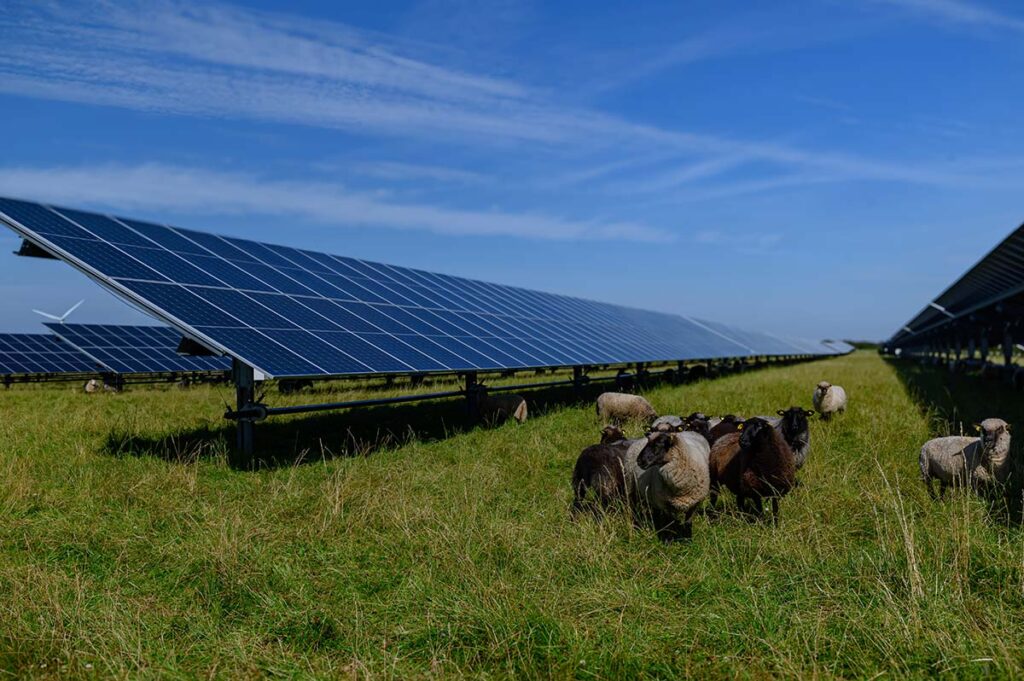
What is agrivoltaics? Think of it as farming and solar energy sharing the same ground. Not one or the other. Both. Crops growing in the dirt, panels raised above them, electricity flowing out to the grid.
That idea is showing up everywhere right now, but it hits especially close to home in Western Mass. Land here isn’t endless. Farmers fight to hold onto every acre. Energy costs keep climbing. If the same field can keep producing food and power at once, that’s worth paying attention to.
Agrivoltaics Explained in Simple Terms
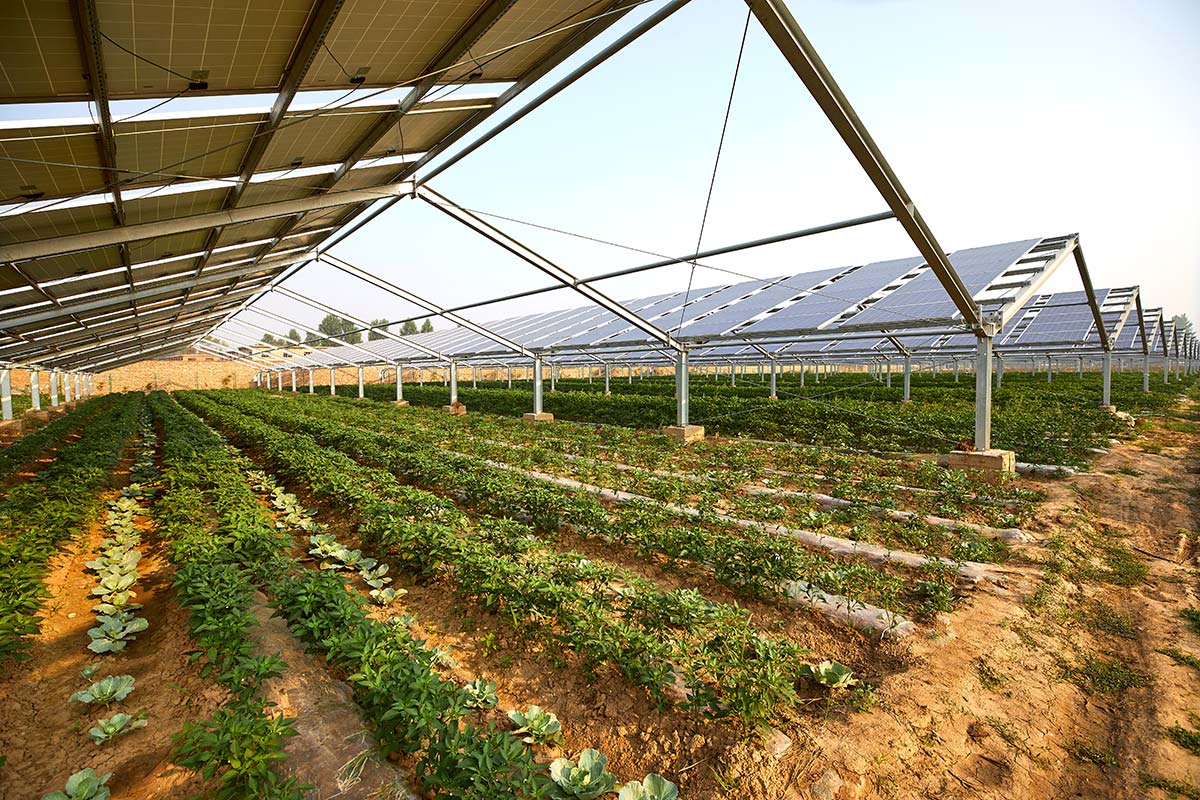
Picture a solar farm you’ve seen driving through the Valley. Rows of panels, tilted toward the sun. Now raise some of those panels higher, spread them out a little more, and suddenly you’ve still got room underneath. Room for vegetables. Room for pasture grasses. Maybe even a wildflower mix buzzing with pollinators.
That’s agrivoltaic farming in a nutshell. Agriculture and solar energy production on the same land. Shade from the panels cuts heat stress on crops during July scorchers. The solar arrays generate renewable power. And farmers get another stream of income without walking away from agriculture.
Some folks use it for hay. Others for livestock grazing. A few for specialty crops that do well with a little shade. It’s not a cookie-cutter system. Each site looks different depending on soil, crop choices, and what the farmer needs.
Why Agrivoltaics Matters for Farmers and Communities
The Pioneer Valley isn’t immune to pressure. Margins are razor thin. Weather is harder to predict. Developers keep circling farmland with other ideas. Agrivoltaics offers one way to ease that squeeze.
For farmers, these projects can keep the lights on — literally. Lower bills, steadier income, less risk when the market turns. For towns, the story is just as important. Fields stay active. Food keeps coming out of the ground. And the local grid gains a renewable boost without giving up farmland.
It’s not perfect. But in a region where every acre matters, a system that allows food and solar energy to share space may be the best option on the table.
The Benefits of Agrivoltaics Beyond Energy
Agrivoltaics isn’t just about putting solar panels in a field and calling it a day. The real upside is what happens around and underneath those panels. Farmers gain options. Communities see more than kilowatts coming off a site. The benefits spill into energy savings, food production, soil health, and even ecosystems.
Lowering Energy Costs for Farms
Energy bills hit farms hard. Think about cold storage, irrigation pumps, dairy barns, greenhouses. Those costs pile up fast. An agrivoltaic system can knock those bills down by producing solar energy right where it’s used. And if there’s extra power, it can flow back to the grid and create another line of income.
In Western Massachusetts, where small and mid-sized farms operate on tight margins, shaving those monthly costs can mean the difference between red ink and survival. It’s not flashy, but steady savings year after year give farmers more breathing room.
Supporting Crop Production and Soil Health
There’s a practical side beyond the dollars. Crops and soil react differently when shaded at certain times of the day. Panels don’t block the sun completely, but they break up direct light and reduce heat stress. That can help cool-season crops like lettuce, kale, or spinach hold up in a July heat wave.
The soil underneath benefits too. Less evaporation means more moisture stays in the ground. Microclimates form beneath solar arrays, and farmers can use that to their advantage. Agrivoltaic systems don’t eliminate challenges, but they give growers another tool for adapting to unpredictable weather.

Pollinator Habitat and Livestock Grazing Under Solar Panels
Not every acre under solar needs to grow vegetables. Some farms in the Valley see agrivoltaics as a chance to improve ecosystems. Wildflower mixes planted around and beneath panels create pollinator-friendly zones that help nearby orchards and berry fields.
Other farmers run livestock through the same land. Sheep, in particular, fit well — they graze around posts and keep vegetation in check without harming the solar equipment. That reduces mowing costs while keeping the land active. It’s a small detail, but it shows how flexible agrivoltaic systems can be.
What Research Tells Us About Agrivoltaics
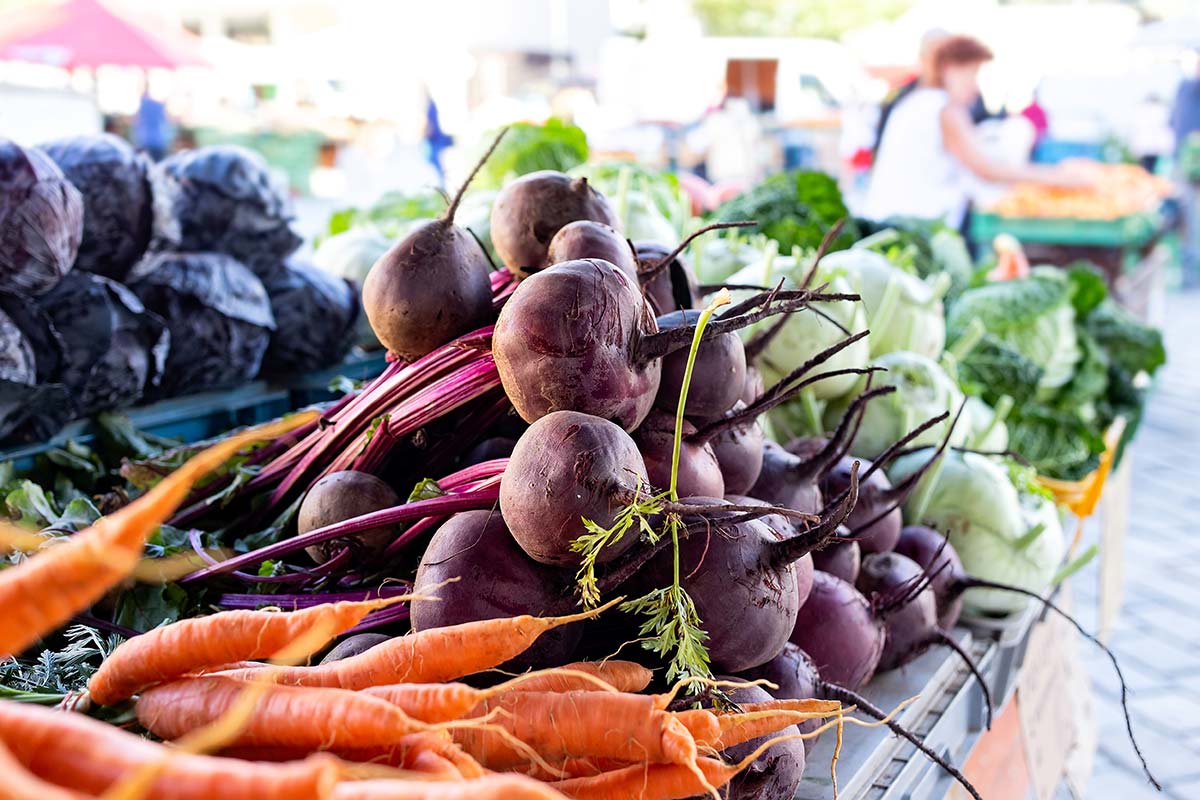
Agrivoltaics isn’t just an idea on paper. There’s real data behind it. At the National Renewable Energy Lab (NREL) in Colorado, researchers have been running side-by-side trials: crops under solar panels, crops in full sun. They’re tracking everything — fruiting plants like tomatoes and peppers, root crops such as carrots, leafy greens, and even pasture grasses.
The early results? Many plants grow just fine under panels. Some even do better when the shade reduces heat stress. Soil holds more moisture. Pollinator mixes thrive. And instead of taking farmland out of use, agrivoltaic projects keep it producing while also generating renewable energy.
Here’s the NREL video that walks through the work: NREL Agrivoltaics Research.
Western Mass has its own role in this story. UMass Amherst has been studying dual-use solar for years, measuring how different installations affect yields, land use, and farm economics (UMass Agrivoltaics Research). Their trials show what many farmers already suspected — dual-use isn’t one-size-fits-all, but when designed well, it works.
And USDA’s Northeast Climate Hub has called agrivoltaics “a promising option” for helping farms adapt to climate change while still producing renewable power (USDA Climate Hubs).
Together, this body of agrivoltaics research makes one thing clear: solar and agriculture don’t have to be competitors. With the right design, they can complement each other — lowering energy costs, supporting crops, and giving farms in places like the Pioneer Valley another path to stay viable.
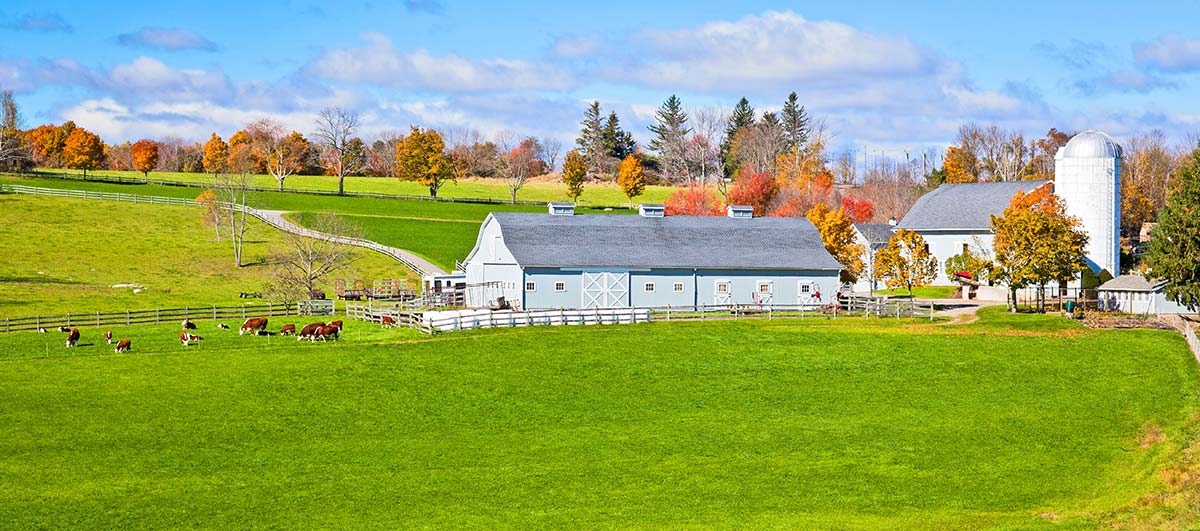
Western Massachusetts and the Future of Agrivoltaic Projects
Western Mass is no stranger to debates about land use. Town boards argue over solar sites, neighbors worry about losing open space, and farmers wonder if new projects will push them aside. Agrivoltaics offers a different path. Instead of solar development replacing agriculture, the two can share land.
That co-location approach is already being studied here. UMass Amherst has research plots testing agrivoltaic systems, tracking crop yields and farm profitability. Local solar developers are starting to look at designs that raise panels higher, spread them out, and leave enough room for agricultural production underneath. It’s not about covering fields with steel. It’s about keeping land in farming while adding renewable energy generation on top.
The future will depend on design and policy. Solar installations that work for farms won’t look like the utility-scale PV projects you see out west. They’ll need to be tailored to the Valley — smaller, flexible, and created with input from local stakeholders. Done right, agrivoltaic projects could give Western Massachusetts a way to expand solar PV without pushing farmland out of production.
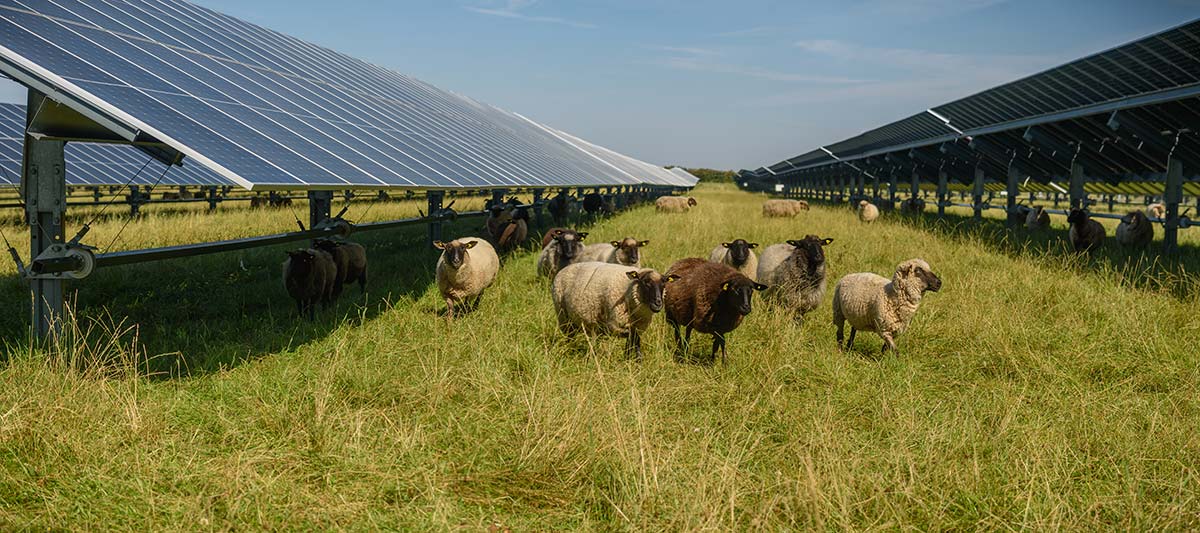
How Agrivoltaics Fits Into Sustainable Agriculture in the Valley
Sustainable agriculture has always been about more than just yields. It’s about soil health, water, food security, and community. Agrivoltaics fits into that picture by helping farms diversify. Energy production becomes part of the operation, right alongside crops and livestock.
Shade provided by solar panels can minimize the effects of heat stress. Pollinator habitat planted around solar arrays improves ecological benefits for the wider landscape. Livestock grazing under panels keeps vegetation managed without chemicals or heavy equipment. All of that adds up to more resilient agriculture.
For the Valley, this isn’t theory. Farms here already know what it means to operate on thin margins. An agrivoltaic project that lowers energy needs, produces renewable energy, and keeps land for both agriculture and solar energy generation could make the difference between selling off acres and passing farmland down to the next generation.
It won’t solve every problem. But it’s one of the few tools that addresses multiple challenges at once: energy, food, land use, and climate. That makes agrivoltaic farming a natural fit for Western Massachusetts — a region where protecting farmland and producing renewable energy don’t have to be at odds.