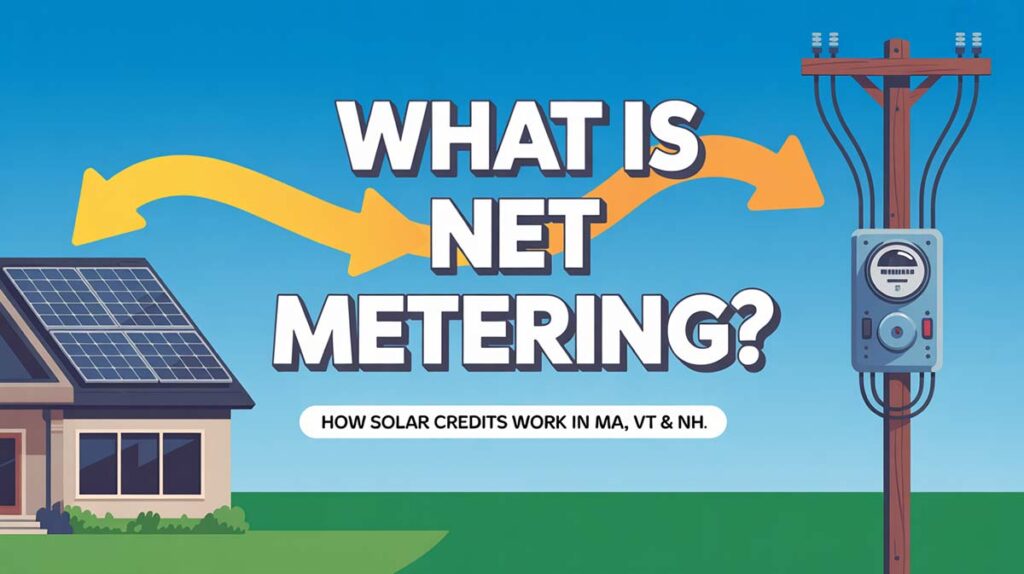
Around here, people usually come across the term “net metering” once they start thinking seriously about solar. It isn’t complicated. Picture this: on a bright afternoon your panels are pumping out more power than your house can use. The extra doesn’t sit around. It flows through your meter and out to the grid. Your utility tracks that, and you get a credit that helps knock down the next bill.
This setup — called solar net metering — is just a billing arrangement, not a fancy program. The goal is straightforward: if you’re making clean electricity at home, you shouldn’t lose it. Instead, it goes back into the local distribution system and shows up on your statement as a credit. Policies like this were first rolled out to encourage more rooftop solar and other small-scale renewable energy. In 2025, families across Massachusetts, Vermont, and New Hampshire are still relying on these credits to keep electricity costs under control, especially in the months when usage runs higher than production.
How Does Net Metering Work?
Solar panels, the meter, and the grid
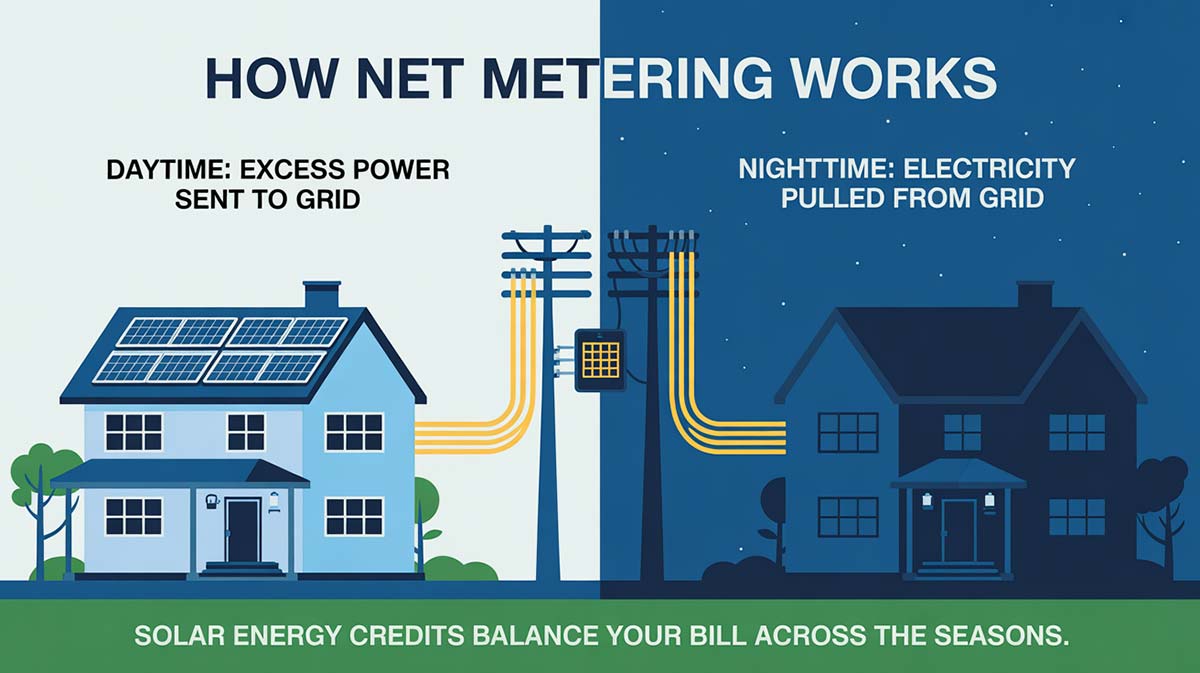
Think of a solar panel system as a small power plant bolted to your roof or sitting out in the yard. When those panels are generating more than you’re using, the extra power moves through the inverter, past the meter, and back into the grid your neighbors are also pulling from. The meter doesn’t just track one direction — it notes both the electricity you draw and the electricity you send back. That back-and-forth is the heart of net energy metering.
What excess solar means day to day
On a clear July afternoon, your system might produce more electricity than your fridge, lights, and AC can use at once. That extra power doesn’t get wasted. It flows back into the grid, helping your neighbors and reducing peak electricity demand. Then in the evening, when your panels aren’t producing, you draw energy from the grid like usual. Net metering rules let you balance it out — energy you produced earlier in the day gets credited against what you pull later.
Bill credits and your electricity bill
Each billing period, the utility company looks at your total electricity use and compares it with the solar electricity you’ve sent back. If you’ve produced more than you used, the extra rolls over as a credit toward future bills. It’s a credit-based system, not a rebate check. For many solar customers, this rollover is what makes the economics work. Over the course of a year, those credits smooth out the difference between sunny months when you produce more electricity and winter months when you use more than you generate.
Net Metering Credits and Electricity Bills
How credits roll over season to season
With net metering, the savings don’t arrive as a rebate check. They show up as credits on your bill. On some afternoons your solar panels will produce more electricity than your house is using. The meter catches that and sends the extra back into the grid. Your utility logs it, and those credits sit on your account until you draw on them later.
That rollover is what makes this policy useful for solar customers. It turns excess solar electricity into something that offsets later costs instead of being lost. Traditional net metering works like a running tab. If your solar energy system generates more than you use in August, those credits stay on the account until October or November when your electricity use is higher.
Balancing summer and winter energy use
If you live in New England, you already know the seasons never even out. In July, the days stretch long and the sun pushes your solar panels to crank out plenty of electricity — often more than your home energy system needs. The utility doesn’t waste that excess. It runs back through the meter, into the grid, and later shows up as credits waiting on your account. When winter comes, with short days and heavy heating loads, those credits are what carry you through.
For small businesses, farms, and homeowners alike, this setup can steady out energy costs across the year. Instead of spikes in winter, you get a smoother curve. Utility customers who generate their own solar power may be able to net their annual costs lower than under net billing or time-of-use programs. The Department of Energy and the Solar Energy Industries Association (SEIA) both point out that policies like NEM encourage adoption of renewable energy and deliver substantial economic benefits to local economies by making distributed generation practical for more people.
Net Metering in Massachusetts
State policies and credit rates
Massachusetts has been running net metering policies for years, longer than most states. When a solar system makes more electricity than the house or shop is using, the meter doesn’t ignore it. The extra runs back into the grid, and the utility gives credit for that power. Those credits stay on your account and can knock down a later bill — especially handy in winter, when solar panels produce less and electricity use usually climbs.
The state also backs something called virtual net metering. Instead of one building getting all the credits, several utility customers can share them. Around Western Mass, that might mean a farm outside of Greenfield installing solar on-site, while the school or a few small businesses nearby get to use the credits. The incentive makes it possible for groups and communities to take part in renewable energy even if one rooftop isn’t enough to cover it.
Local details for Western Massachusetts
Here in Western Mass, the policy works much the same as it does statewide, but the impact is especially noticeable. Long summer days often mean solar panels produce more than an old farmhouse or a small business in Northampton can use. That excess energy goes back into the grid, and system owners receive credits they can apply when electricity costs rise in the winter.
For homeowners in places like Greenfield or Springfield, installing solar means being able to net meter across the year instead of paying unpredictable bills. Current Energy’s crew sees it on the ground — families and small businesses around the Pioneer Valley lean on those credits to smooth out energy costs. Net metering keeps the value of the electricity they generate, puts it back into the grid, and makes sure local customers aren’t giving away power they worked to produce.
Learn more about how net metering works in Massachusetts
Net Metering in Vermont
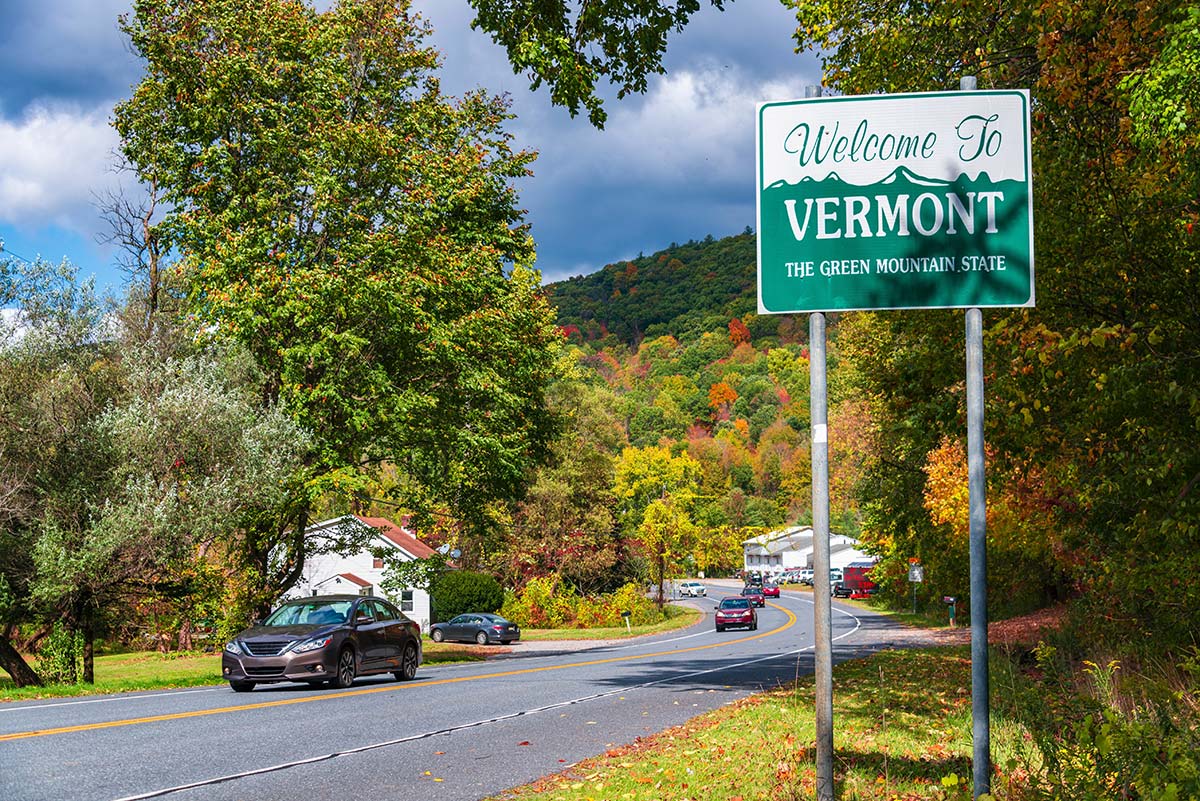
Program differences and bill credit rules
Vermont’s net metering policies look a little different than Massachusetts. Net metering is a billing system here too, but the credits you earn depend on the size of the solar installation and which utility you’re tied to. When solar panels generate more electricity than the house or business is using, the excess electricity goes back to the grid and the utility applies a credit. Net metering allows system owners to balance out costs across the year, using a credit-based structure instead of losing the value of that power generation.
In towns like Brattleboro, Putney, or Westminster, many families and farms work with local installers to set up rooftop or ground-mount systems. The electricity generated doesn’t just stay on-site — it flows back to your utility and offsets future use. These credits can change slightly based on rules set by the state, but the idea is steady: customers who generate electricity should be able to net meter and receive fair value for the energy they send back.
Role of Green Mountain Power
Most of southern Vermont is served by Green Mountain Power, and they manage the majority of net metering accounts. For homeowners and small businesses near the Connecticut River, the utility applies credits at or near the retail rate, depending on the specifics of the system. The program has helped keep solar adoption strong in communities just north of Bernardston and Greenfield, where cross-border families and businesses often compare policies.
For Vermont utility customers, net metering rules continue to provide an incentive to install solar and use the grid in a way that keeps electricity costs predictable. It’s a structure that many states still lean on, and one that has helped Vermont maintain its reputation as a clean-energy leader in New England.
Learn more about how net metering works in Vermont
Net Metering in New Hampshire
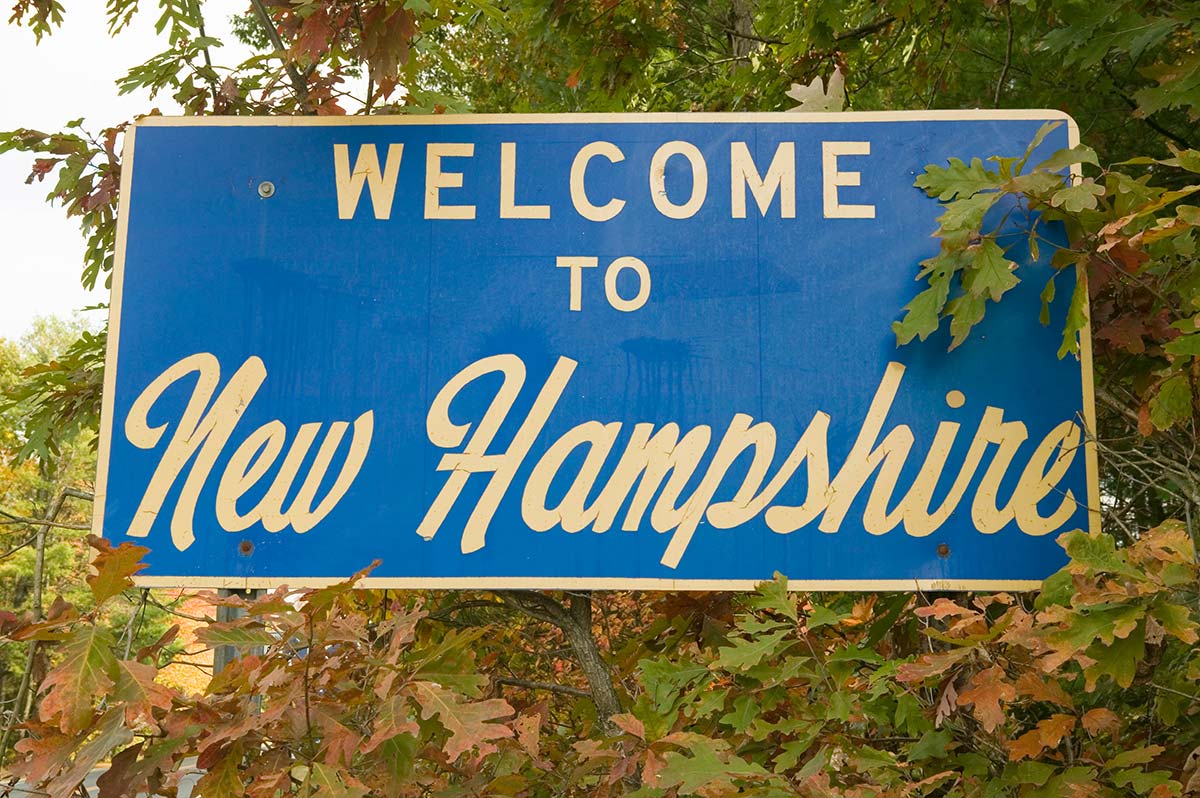
State policies and system size caps
New Hampshire has one of the more flexible net metering policies in New England, but the details depend on system size. In towns like Keene, Walpole, and Hinsdale, a standard rooftop solar system can feed excess electricity back into the grid. That power is measured at the meter, and the credits appear on the customer’s next electricity bill. Larger installations — for example, farms or shared community projects — fall under a different set of net metering rules with stricter size caps, yet the program still provides a meaningful incentive to install solar in 2025.
Local installers in Cheshire County work with homeowners and small businesses to design solar energy systems that handle both summer peaks and heavier winter energy use. By spreading production and consumption across the year, net metering allows system owners to keep their bills steadier and avoid the big swings that come with New England’s seasonal extremes.
Credit structures by utility
Credit structures depend on which utility company serves your town. In Keene and Hinsdale, most solar customers are connected to Eversource, which credits excess electricity at or near the retail rate. In other parts of Cheshire County, Unitil and the New Hampshire Electric Cooperative follow slightly different billing structures, but the outcome is similar — the value of the solar power you produce doesn’t disappear. Net energy metering is a billing approach that records excess energy sent back to your utility and rolls it into future bills.
The Solar Energy Industries Association (SEIA) and the Department of Energy both highlight New Hampshire’s steady adoption of renewable energy. Net metering work here has delivered substantial economic benefits, helping local economies and keeping clean energy in the mix for thousands of utility customers across the state.
Learn more about how net metering works in New Hampshire
Why Net Metering Matters for Clean Energy
In New England, net metering has probably done more to move solar forward than any ad campaign or rebate. It lets ordinary utility customers get credit for the electricity their solar panels push back into the grid. That credit-based setup takes the sting out of future bills and makes installing solar worth a second look. Folks in Massachusetts, Vermont, and New Hampshire have leaned on these policies for years, and it shows in the number of rooftops now covered in panels.
The Solar Energy Industries Association (SEIA) has been saying the same thing for a while: net metering rules give people a reason to try clean energy. The details may shift — retail rate in one town, adjusted credit in another — but the idea doesn’t change. Excess electricity you generate today comes back later when you need it.

Is Net Metering Right for You?
A family in Greenfield might see summer bills nearly vanish because their solar system is throwing more electricity back to the utility than the house can use. A small shop in Keene may be able to net enough credits in July to take the edge off January’s bill. Farms around Brattleboro often count on the same cycle — bank credits during hay season, spend them when the heaters run all day in February. Net metering allows different types of system owners to steady out their energy costs in a part of the country where the seasons never cut you any slack.
Wrapping It Up
Net metering isn’t complicated. You make electricity, you use what you need, the rest goes back through the meter. Your utility logs it, and you get the value later. That’s why so many customers who generate their own solar electricity stick with it.
Next Step
Thinking about solar in Western Mass, southern Vermont, or southwestern New Hampshire? Current Energy can size a system, explain how the credits work with your utility, and show you what kind of difference it could make on your bill.