If you live in the Pioneer Valley, you know what it’s like to keep an old house going. The winters drag on, the summers stay damp, and the bills never stop showing up. Every year it’s something—another delivery of oil, another round of maintenance, another spike in the electric rate.
That’s why more people around here are switching to solar. It cuts down the guesswork and gives homeowners a little breathing room.
1. Older homes don’t have to stay inefficient
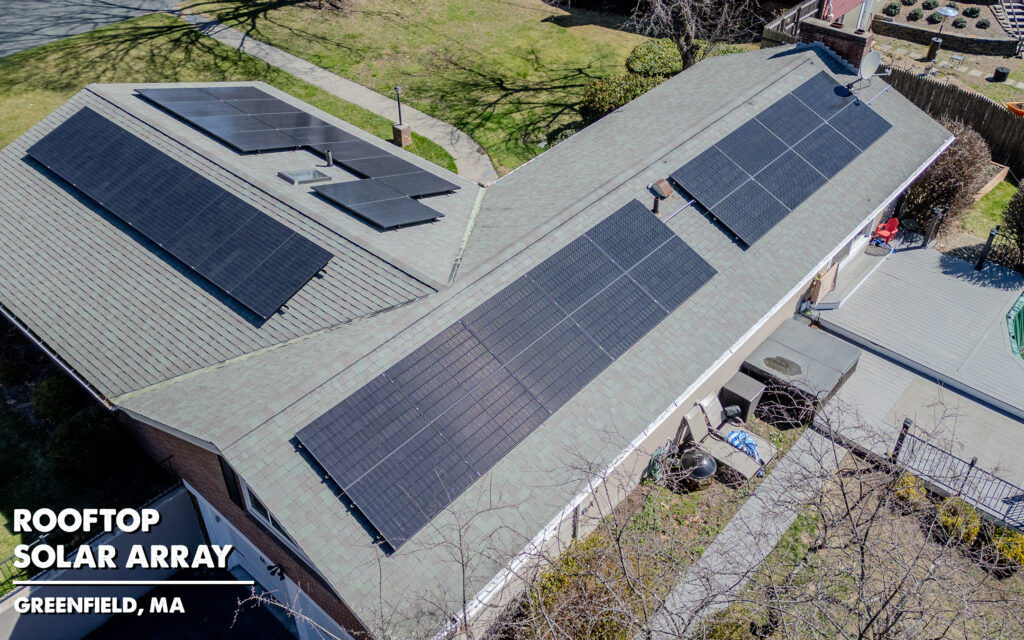
This part of Massachusetts is full of sturdy but aging houses—capable bones, tired systems. Many were wired long before today’s electric loads. When people upgrade a service panel or tighten up insulation, adding solar often becomes the next logical step. It offsets the draw from new heat pumps or EV chargers and brings older homes closer to modern standards without losing their charm.
Local and state programs have made this easier. Town inspectors now fast-track most rooftop projects, and the state keeps trimming red tape for residential installations.
2. Electric costs keep climbing
Electricity in western Mass isn’t cheap, and every utility notice reminds you of it. Solar gives you a way to steady that line. Once panels are up, you start producing your own power instead of buying all of it from the grid. Over time, that difference adds up—especially in towns where heating and cooling run nearly year-round.
(Mass.gov – Basic Service Information and Rates)
3. Plenty of roof and land to work with
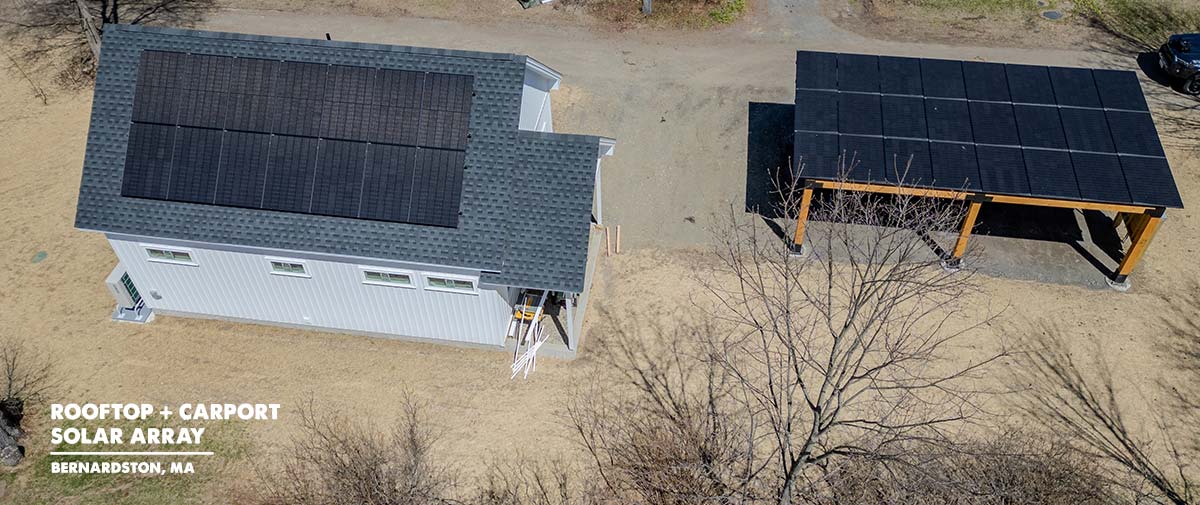
Homes here tend to have wide, open roofs or extra yard space. South-facing slopes, barns, garages, and open lots all create options. A well-placed array can make good use of the long daylight hours we get between March and October. For sites with heavy tree cover, a small ground mount out in the sun does the trick.
4. Net metering makes the numbers work
Massachusetts’ net-metering program lets you earn credits when your system makes more power than you use. On sunny days, that extra electricity flows back to the grid and shows up as a credit on your next bill. When you need more—say, in the middle of winter—you draw from those credits first. It’s simple, and it shortens the time it takes to see a return.
5. The valley already believes in clean energy
This region has always leaned toward self-reliance. You can see it in the community gardens, the farmers’ markets, and the small solar fields outside towns like Amherst, Hatfield, Hadley and Greenfield. Homeowners here don’t wait for big companies to fix the energy problem—they take it on themselves. Adding panels isn’t just about saving money. It’s part of how the valley looks after its future.
A valley that powers itself
The Pioneer Valley has always been a place that values hard work and long-term thinking. Solar fits right in with that. It keeps money in local pockets, supports electricians and installers in the region, and cuts down on the fossil fuel use that drives costs higher.
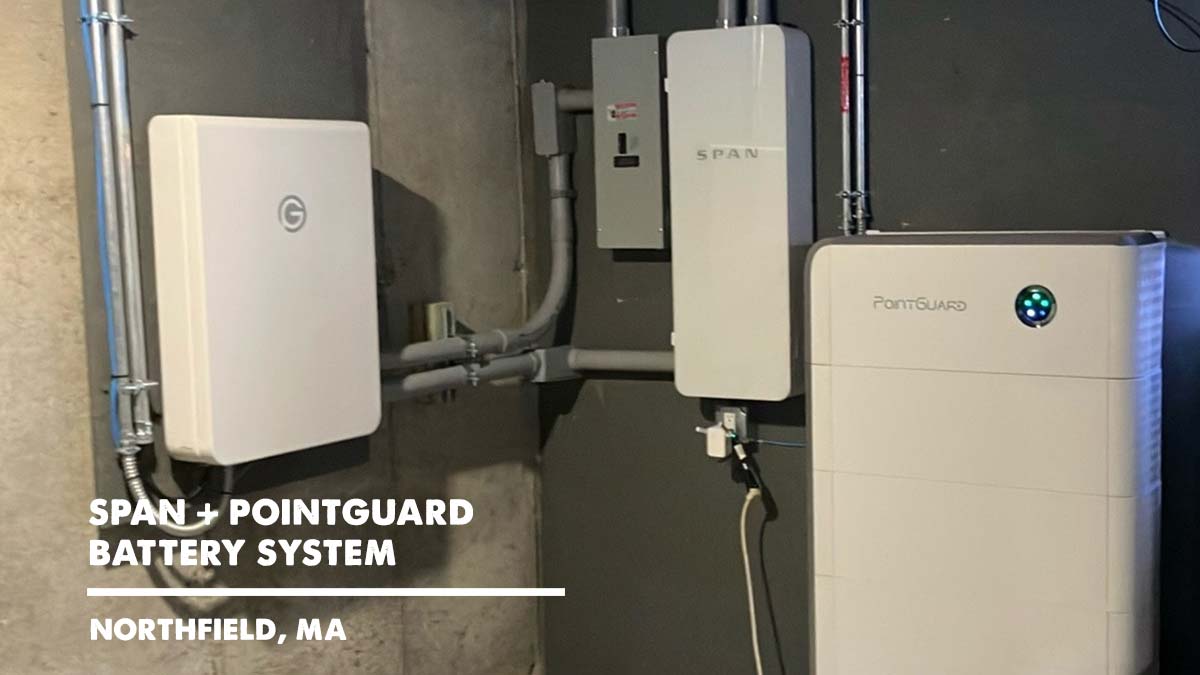
If you’re curious what it could look like on your home, Current Energy can help. We design and install residential solar systems, battery storage setups, and ground-mounted arrays throughout western Massachusetts. We’ll visit your property, run the numbers, and show you what makes sense for your roof, your land, and your budget.