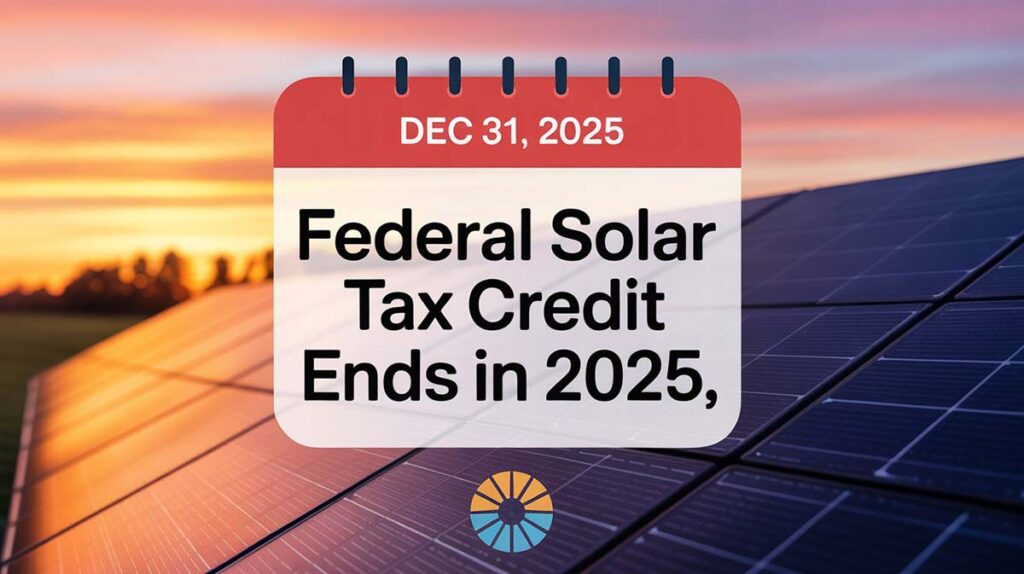
Big news: The Federal Solar Tax Credit Ends in 2025
Solar has been one of the best tools for lowering energy costs in Western Massachusetts. The federal credit that covers 30% of the cost for home solar projects has made it realistic for many families. That program ends on December 31, 2025.
This credit has fueled much of the solar growth across the Pioneer Valley and the nearby hilltowns. It knocks a big chunk off the upfront cost and usually lets a system pay for itself in under ten years. Take that credit away, and the price climbs while the payback takes much longer.
Installers are already expecting a crowded 2025. Once the final months arrive, anyone waiting to start a project will be competing for permits, utility approvals, and crew schedules. Getting ahead of that rush is the safest way to lock in the federal benefit.
What’s Changing with the Federal Solar Tax Credit
The federal residential solar tax credit (ITC) ends on December 31, 2025. There’s no partial phase‑down and no extension. Any project finished after that date will not qualify for a federal credit.
The change happens almost ten years earlier than originally expected under the Inflation Reduction Act. To qualify for the credit, the system has to be fully installed and running before the year ends in 2025. If the work carries over into 2026, the federal incentive is gone.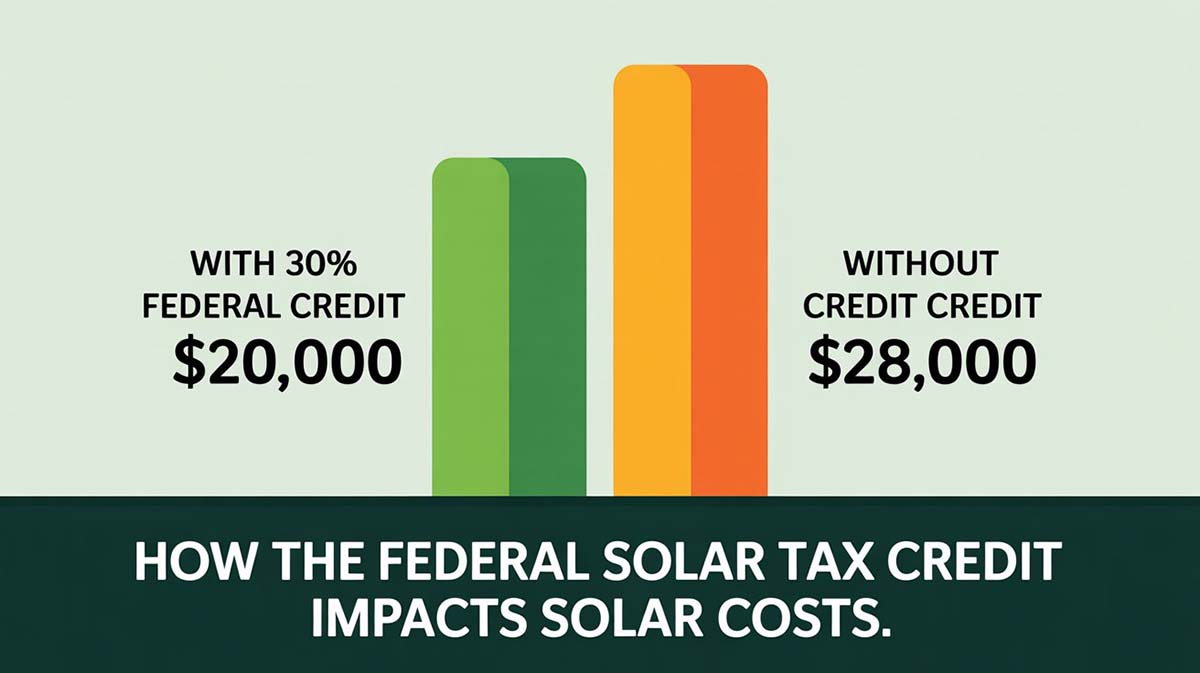
What It Means for Homeowners
Without the federal credit, the math changes. Skip the credit, and a home solar project in Massachusetts jumps by roughly $8,000 to $9,000. The payback slows too. Instead of eight to ten years, you might be waiting fifteen or even twenty, depending on your electric rates and the state incentives you’re able to claim.
The timing also matters. Industry experts expect a rush of installations in 2025 as homeowners move to secure the credit. That rush will likely lead to:
- Full installer schedules well before the end of the year
- Delays from permitting or utility approvals in towns that move slowly
- Supply chain stress, which could push some late projects past the cutoff
For homeowners, waiting until the second half of 2025 could be risky. Starting early is the best way to ensure your project qualifies.
The Local Solar Industry Impact
Western Massachusetts has been a solar stronghold, with more than 11,000 solar jobs across the state and a sizable concentration in the Pioneer Valley. The end of the credit will affect not only homeowners but also the local workforce that supports residential solar.
Without the federal credit, some households will put off installations, and smaller solar companies may see a slowdown. Industry reports already note that national and regional firms are preparing for potential layoffs or reduced hiring in 2026.
Solar Still Makes Sense in Massachusetts
Even without the federal credit, Massachusetts offers some of the strongest state and utility incentives in the country:
- A $1,000 state income tax credit
- Property and sales tax exemptions for solar equipment
- Net metering, which credits extra electricity sent to the grid
- The SMART program, which provides additional payments, especially for systems with battery storage
Massachusetts still gives homeowners solid reasons to consider solar. Our state incentives stack up well, and electricity here isn’t cheap. That mix alone can make solar pay off in the long run. Add a battery, and it does more than save money—it keeps your home running through outages.
Losing the federal credit slows the payback, but it doesn’t erase the value. The savings come later, and the energy independence is real.
How to Prepare Before the Credit Expires
The safest move is to start early. Once 2025 gets going, installers will be busy, and by the end of the year, everyone will be trying to finish at once.
Getting a site assessment on the calendar is the first step. From there, your installer can help line up state incentives and keep the project on schedule. You can also explore homeowner resources like Mass Save’s Solar Power Guide to better understand the process and available incentives in Massachusetts.
If you’ve been thinking about adding a battery, early planning helps there too. Batteries can unlock extra SMART program credits and keep the lights on during outages, which makes the upgrade easier to justify.
Leaving the project to the last months of 2025 is a gamble. Permits can drag, utility approvals aren’t always quick, and winter weather can slow everything down. Starting early gives your installer the time they need to finish before the deadline.

The Bottom Line
The 30% federal solar tax credit ends on December 31, 2025. Once it’s gone, systems cost more up front, and the payback takes longer. Even so, with Massachusetts incentives and high electric rates, solar can still deliver long‑term savings and energy independence.
Homeowners who want the most savings should move sooner, not later. A project that starts in early 2025 has the best shot at locking in the credit and producing its own power for decades to come.