
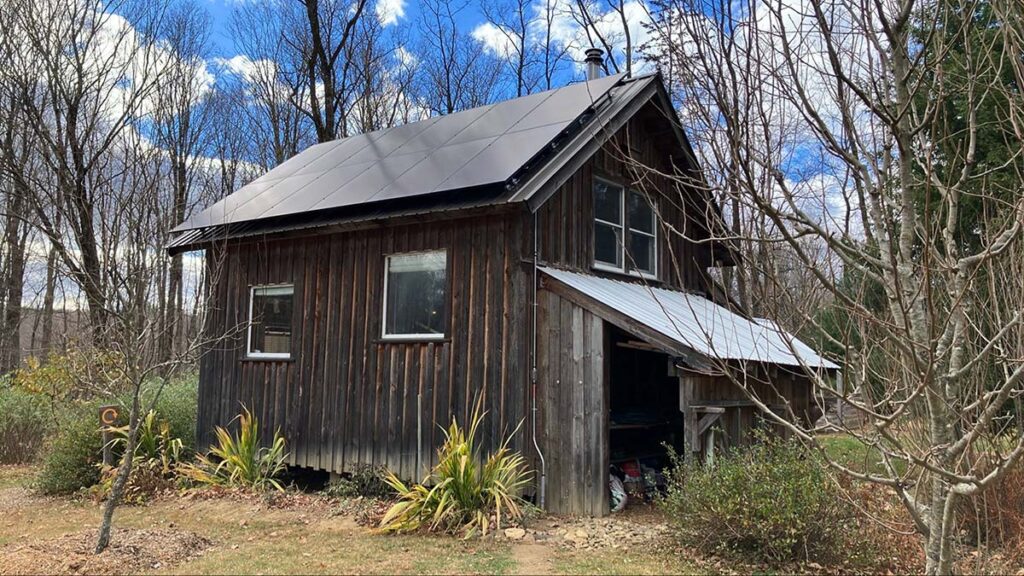
There are many reasons why folks with rural homes are turning to solar and battery storage in Western MA. Life in rural New England comes with its own rhythm. Long dirt roads. Wells instead of city water. Winters that can take down power lines and summers that sometimes feel hotter each year.
When the grid goes quiet in towns like Conway or Ashfield, you don’t have corner stores and gas stations on every block. You wait. That might mean hours, or in some storms, days.
That’s where solar paired with battery storage changes the picture. Panel
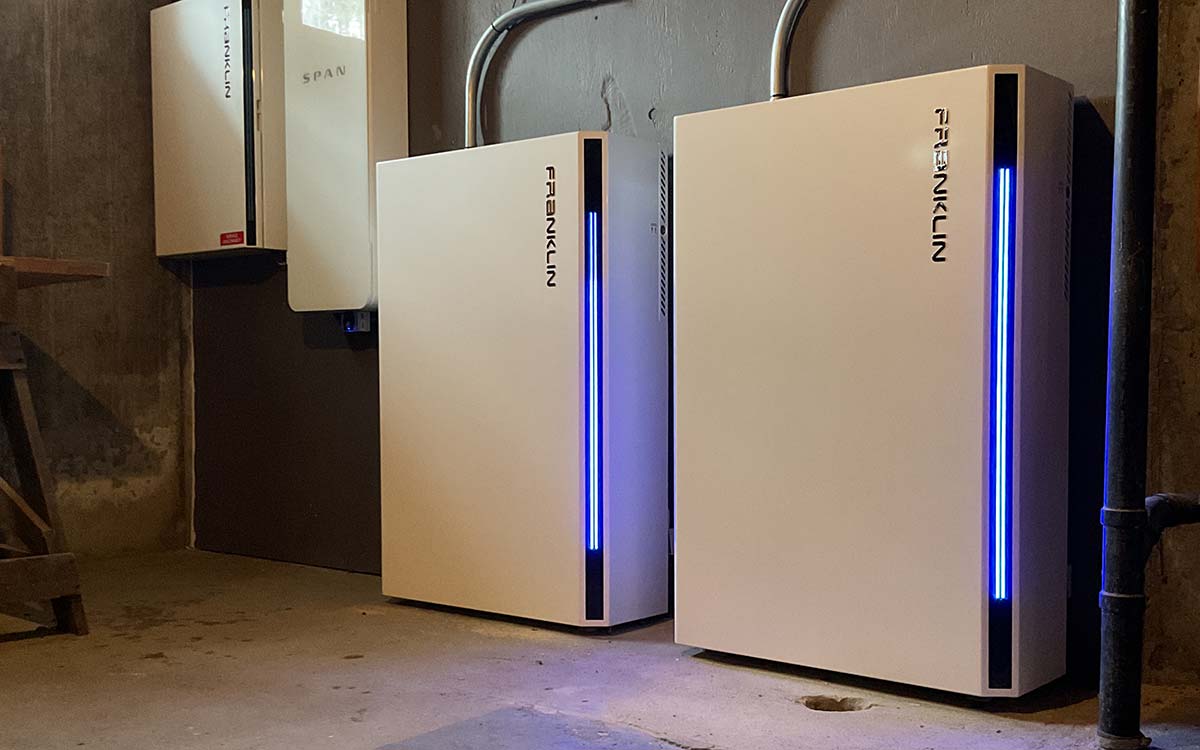
on the roof keep drawing power, and the battery keeps the house running. The fridge stays cold. The water pump still works. The lights in the barn don’t go dark.
For families who’ve invested in residential solar, the appeal goes beyond resilience. Month after month, bills shrink, and the system starts paying for itself. Farmers see a similar shift when they add solar for farms. Suddenly, electricity isn’t just another line item squeezing the budget — it’s part of a more stable way to live and work.
In Western Mass, decisions about energy go hand in hand with decisions about land. For many families, adding solar + storage feels less like a tech upgrade and more like caring for the place they live. It keeps fields in production, cuts back on fossil fuel use, and points the Valley toward a cleaner future.
11 Surprising Benefits of Solar + Storage for Rural Homes
Living outside the city has its charms — space, quiet, and a closer connection to the land. But anyone in the Pioneer Valley or Southern Vermont knows it also comes with trade-offs. Power outages can drag on longer. Utility bills seem to rise faster than paychecks. And when your water comes from a well, a blackout doesn’t just mean no lights — it can mean no running water at all.
That’s why more families in Western Massachusetts and beyond are turning to solar paired with battery storage. It’s not just about lowering costs; it’s about making rural life more resilient, practical, and sustainable. Here are eleven ways solar + storage is proving its worth.
1. Energy Independence During Outages
When storms roll through Franklin County, power lines go down fast. In towns like Ashfield or Warwick, it can take days before crews get everything back up. Solar plus storage keeps the lights on in the meantime. Fridges stay cold. Water pumps still run. Kids can get their schoolwork done. You don’t have to wait on the utility truck to get moving again.
2. Lower Monthly Bills for Homeowners
Western Mass has some of the highest electric rates in New England. Solar takes the edge off those bills month after month. Once the system is paid for, the savings keep stacking up. Many families see it as a practical choice that makes the household budget easier to manage.
3. Protection From Future Rate Hikes
Rural homes often get hit hardest when utilities raise rates. Fewer providers mean fewer options, and long distribution lines cost more to maintain. A rooftop solar system creates a steady, predictable energy cost. Add storage, and you can actually use your own power when you need it.
4. Replacing the Old Generator
A lot of rural homes still lean on gas or diesel generators during outages. They’re loud, dirty, and expensive to run. Solar with battery storage does the same job without the fuel runs or the noise in the yard. It’s power that’s ready when you need it.
5. Keeping Wells and Water Pumps Running
Plenty of homes in Western Mass and Southern Vermont still use private wells. When the power goes out, so does the water. A solar system with storage keeps the pump running. That means you can still cook, clean, and water animals without waiting for service to be restored.
6. Supporting Farm Operations
Farms use a lot of electricity — barns, refrigeration, irrigation, even just keeping the lights on in winter. Installing solar panels with storage helps cover those loads. It reduces dependence on the grid and lowers operating costs. For many farmers, that’s the difference between getting by and getting ahead.
7. Better for Remote Locations
Some hilltown homes sit miles from the nearest utility substation. That distance makes outages longer and service more expensive. Solar plus storage gives those households more independence. It keeps the lights on without waiting at the end of a long repair queue.
8. Smoother Connection to the Grid
Solar doesn’t have to mean going off-grid. In many rural areas, tying storage to a grid-connected system helps balance demand. When homes and farms feed excess energy back, it takes pressure off the utility. That makes the whole region more resilient.
9. Environmental Stewardship
The Valley has always cared about its land and rivers. Solar power cuts the need for fossil fuels and lowers greenhouse gas emissions. Adding storage means less wasted energy and more control over how it’s used. For rural families, that’s a practical way to align daily life with long-term stewardship.
10. Added Home Value
A house with lower utility bills and backup power stands out in the real estate market. Buyers see the panels on the roof and know the system is an asset. That value is especially important in small towns, where every dollar of resale matters.
11. Building Local Resilience
When more homes and farms add solar and storage, whole communities benefit. Outages are shorter. Fuel demand is lower. Costs for everyone drop. It’s not just about one household saving money — it’s about strengthening the entire region.
Moving Toward Energy Independence in the Pioneer Valley
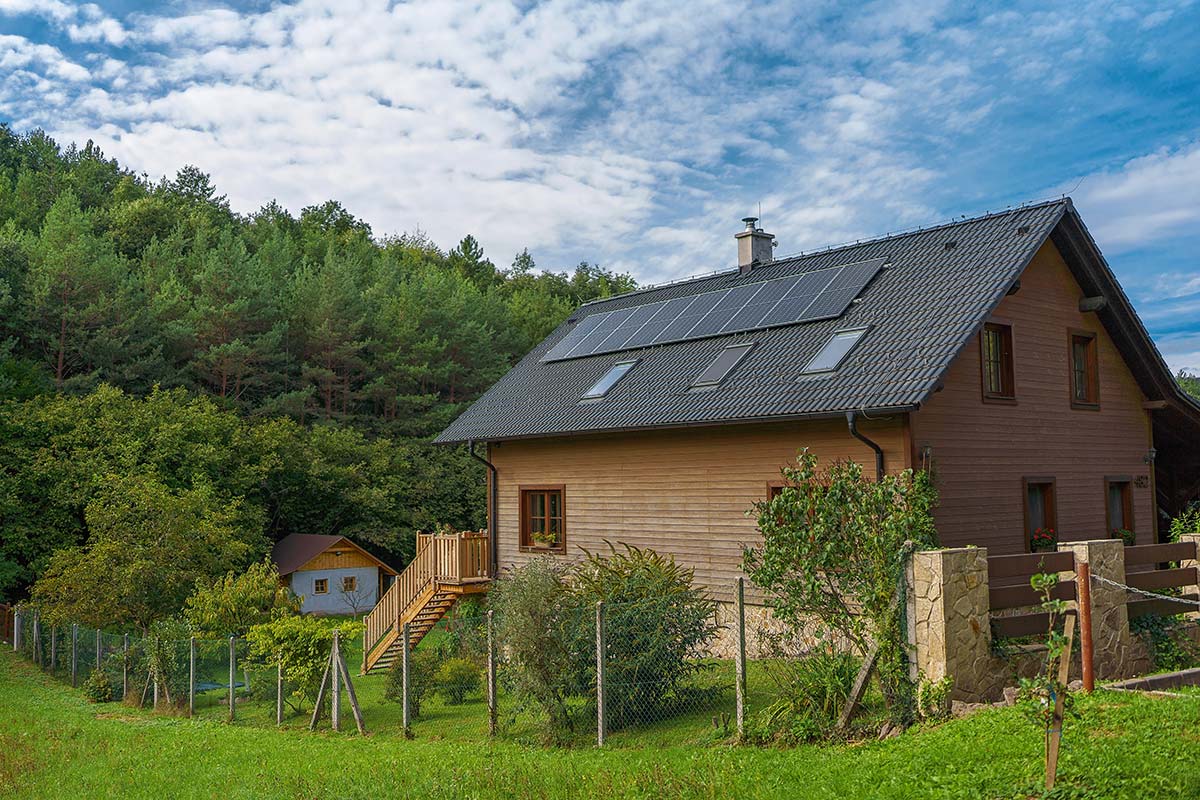
Solar and storage aren’t abstract ideas anymore. They’re showing up on barns, ranch houses, and town centers across Western Mass. The benefits reach well beyond one family’s electric bill. They strengthen farms, protect households during outages, and build a cleaner, steadier energy base for the region.
For anyone considering the switch, the first step is simple: look at your own roof, your land, or your farm operation, and ask what role solar could play. With the right system in place, you’re not just covering today’s costs — you’re investing in the future resilience of the Valley.