
The 30% federal solar tax credit has been the single biggest driver of residential solar for years, but the bad news: the federal tax credit ends on December 31, 2025. After that date, homeowners in Western Massachusetts will lose the federal incentive that helped make solar projects affordable and shortened the payback period.
Even without federal support, solar is still a smart move in Massachusetts—our electricity rates are high, and Massachusetts has some of the most generous state and local programs in the country. By stacking the right incentives and planning ahead, you can offset much of the value that disappears with the federal credit.
Make the Most of State and Local Incentives
Massachusetts still gives homeowners plenty of ways to save on solar, even without the federal credit. These programs lower upfront costs and protect you from extra taxes.
You can claim 15% of your system’s cost, up to $1,000, as a credit on your state income taxes. Solar equipment and the cost to install it are exempt from the 6.25% state sales tax. Any value the system adds to your home is also exempt from property taxes for the next 20 years, so you won’t see your tax bill jump just because you went solar.
Some towns and local utilities in Western Mass even offer additional rebates, so it’s worth asking your provider what’s currently available.
The SMART program is another key benefit. Any solar credits you don’t use right away will carry into the next month. That summer overproduction? It can help cover the winter bills.
Planning to add a heat pump or an EV charger in the future? Better to size the system now so it’s ready for that extra pull on the grid.
Bundle Solar with Battery Storage
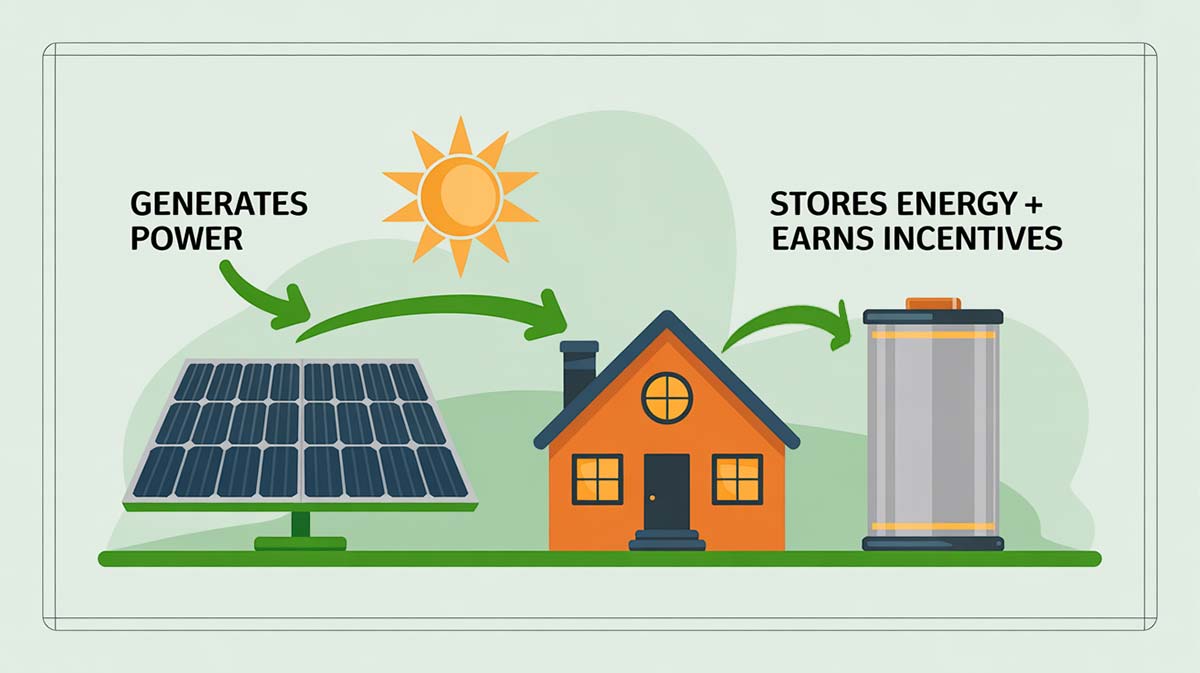
Adding a battery does more than provide backup power. It also unlocks incentives that solar panels alone can’t access.
- The SMART battery adder pays roughly $0.04–$0.05 per kWh of solar production over ten years.
- ConnectedSolutions, offered by utilities like National Grid and Eversource, can pay up to $275 per kW for batteries that support the grid during peak demand.
These programs combined can add up to several thousand dollars over the life of your system, helping offset the loss of the federal credit. Pairing solar with storage gives you resilience and more financial upside.
Take Advantage of Expanded Net Metering
Massachusetts recently raised the net metering cap. Now, residential systems up to 25 kW can qualify for full retail‑rate net metering. This means:
- You can offset nearly all of your annual electricity use with solar production.
- Extra credits roll over month‑to‑month, so summer production helps carry you through winter.
If your household plans to add EV charging or heat pumps, this is the time to size your system for future demand.
Explore Financing Options
With federal support ending, financing plays a bigger role in keeping solar affordable up front.
- Mass Save HEAT Loan: Offers 0% interest financing for solar or battery projects up to $25,000–$50,000.
- Local Green Energy Loans: Many Western Mass banks and credit unions offer competitive terms for solar and storage.
Spreading out the cost with a low‑interest loan can soften the impact of losing the federal tax credit. Your installer can also walk you through solar financing options.
Check Municipal Light Plant Programs
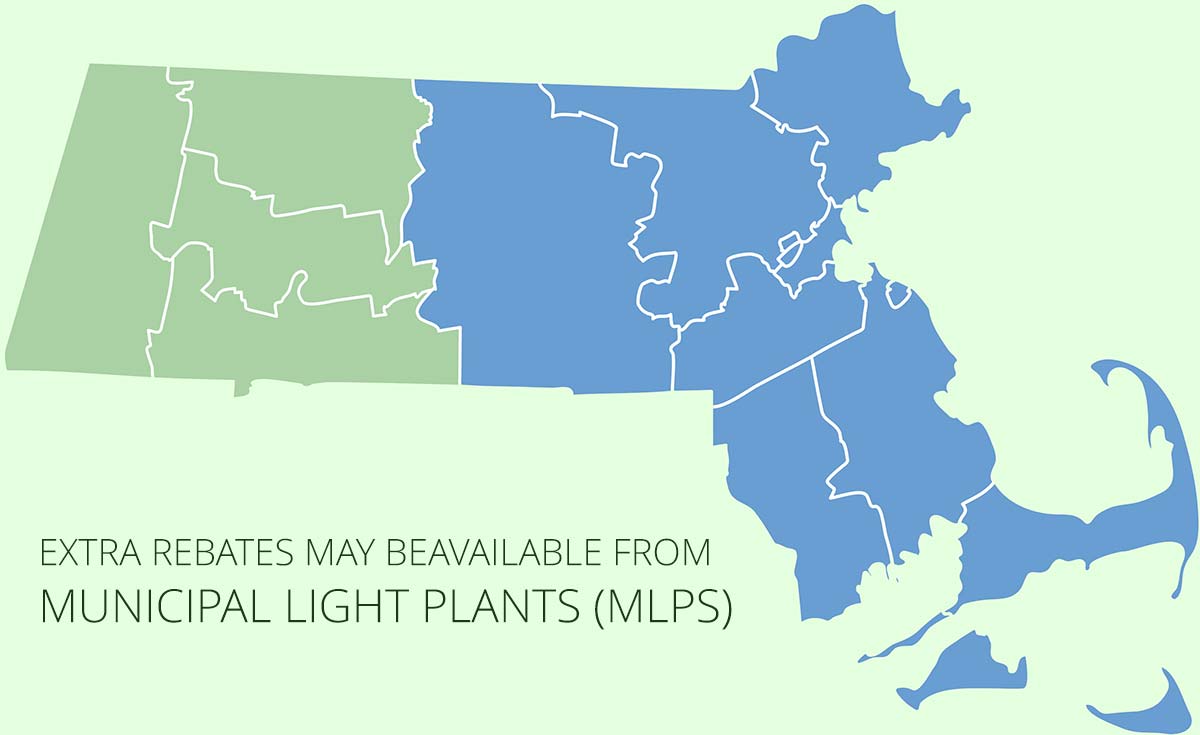
If your electricity comes from a Municipal Light Plant (MLP) instead of a big utility, there might be extra rebates waiting for you. Some towns offer roughly fifty cents to a dollar‑and‑a‑quarter per watt for new solar systems, and a few toss in other small local perks.
These programs aren’t the same everywhere. Before you count on the savings, give your MLP a quick call or check their website to see what’s active in your town.
Stack and Schedule Your Benefits
Maximizing savings is as much about timing as it is about incentives. Programs can change, and local rebates can run out of funding.
- Start early to secure your state credit, SMART battery payments, and net metering approval.
- Bundle projects where you can. Adding a battery while the solar system is being installed is usually simpler than trying to add one later
- Keep an eye on policy updates. State programs sometimes change, and new incentives can pop up when federal support disappears.
Starting early pays off. Acting before schedules fill up or grid programs shift helps you grab every available benefit without last‑minute stress.
The Bottom Line
Federal help for home solar is winding down, but going solar can still work out for homeowners in Western Massachusetts. Using what’s left—state credits, tax breaks, net metering, and battery incentives—can bring back much of the savings that the 30% federal credit offered. The payoff is still there: lower electric bills and the security of producing your own power.
Get a head start if you want those benefits. Starting early gives you the best chance to use the remaining programs and avoid leaving money on the table.